

Our Verdict
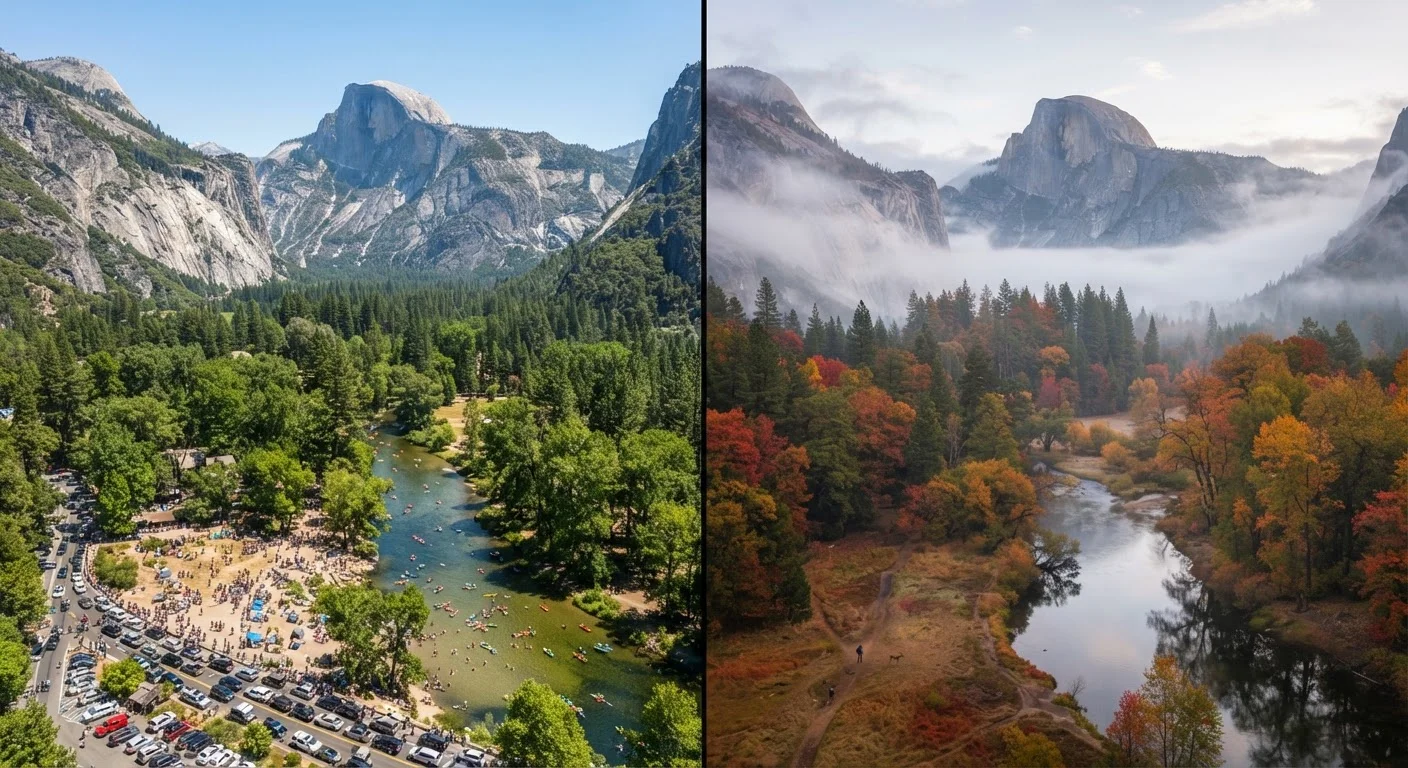
Neither peak nor shoulder season is universally superior - the right choice depends on what you value most in a trip. Peak season delivers reliability, full access, and the classic destination experience. Shoulder season rewards flexible planners with quieter settings and often more favorable pricing, though it asks you to accept some trade-offs in weather and services.
| Best for | Recommended |
|---|---|
| Families with school-age children and fixed vacation windows | Peak Season |
| Budget-conscious travelers with flexible schedules | Shoulder Season |
| Travelers who prioritize atmosphere over convenience | Shoulder Season |
| First-time visitors wanting the full iconic destination experience | Peak Season |
What Actually Defines Peak and Shoulder Season
Peak season is the window when a destination draws its highest visitor volume - think summer in national parks, winter holidays in ski towns, or spring break along coastal resort corridors. Shoulder season falls on either side of that window: the weeks before the crowds fully arrive and the weeks after they thin out. It's distinct from true off-season, which can bring full closures and drastically limited services.
The exact timing varies by destination. A beach town in the Carolinas might peak from late June through August, with shoulder periods in May and September. A mountain retreat in Colorado could peak in both summer and winter, with genuine shoulder windows in spring and fall. Understanding the specific rhythm of your destination - not a generic calendar - is the starting point for smarter planning. The shoulder season overview offers useful context on how these windows work across different destination types.
What Changes Between the Two Windows
Pricing is the most immediately noticeable shift. Hotel rates, short-term rentals, and sometimes airfares tend to be higher during peak periods when demand is concentrated. The degree of difference varies - a resort destination may show dramatic swings, while a mid-size city with year-round business travel may barely budge. For a deeper look at how seasonal price patterns work across categories, the seasonal pricing guide explains the underlying rhythms.
Crowd density changes significantly. Peak-season Yellowstone, Zion, or Cape Cod involves real logistical planning: timed entry permits, parking queues, and restaurant waits that can shape your entire day. Shoulder season reduces that friction considerably, often allowing spontaneous decisions that peak travelers simply can't make.
Service availability also shifts. During peak season, most tour operators run full schedules, visitor centers keep extended hours, and seasonal businesses - beach concessions, kayak rentals, brewery patios - are fully open. In shoulder season, some of those options begin to contract. A few tours may run only on weekends; a beloved local restaurant might close two days a week.
| Factor | Peak Season | Shoulder Season | |
|---|---|---|---|
| Lodging costs | Generally higher demand-driven pricing | Often lower, more negotiable rates | |
| Crowd levels | High; permits and queues common | Noticeably lighter at most sites | |
| Service availability | Full hours, widest selection | Some closures or reduced schedules | |
| Weather reliability | Typically most stable for the destination | More variable; can surprise either way | |
| Booking lead time needed | Months in advance for popular spots | Shorter windows often workable | |
| Overall atmosphere | Lively, energetic, busier | Calmer, more local feel |
What Stays Largely the Same
The core attraction doesn't move. The Grand Canyon's rim is just as dramatic in October as in July. A historic Charleston neighborhood holds the same architectural beauty in November. The fundamental reason you chose a destination rarely depends on the season - it's the experience layered around it that shifts.
Weather predictability is often overestimated as a seasonal benefit. Shoulder season can absolutely deliver gorgeous conditions, but it can also serve up the tail end of hurricane season, early-onset cold snaps, or unpredictable mountain storms. Peak season, by contrast, tends to align with the most reliably favorable weather for outdoor-focused destinations - that reliability is part of why it draws so many visitors. Always verify current conditions and forecasts rather than assuming season-based guarantees.
Check Permit Requirements Before You Go
Several popular US destinations - including some national parks and wilderness areas - require advance reservations or timed-entry permits during peak season. These can sell out weeks or months ahead. Even in shoulder season, some systems remain in effect on busy weekends. Always verify entry requirements directly with the managing agency before finalizing plans.
Planning the mechanics of your trip - how you get there and move around - remains equally important regardless of season. The road trip vs. fly-and-drive comparison covers those decisions thoroughly, and the considerations apply whether you're traveling in July or October.
Making the Choice That Fits Your Trip
Start with your constraints. Families tied to school calendars often have little flexibility and should make peak-season planning work rather than resist it. Travelers with open schedules gain real optionality - and the flexible dates vs. fixed itineraries guide explores how that flexibility translates to practical decisions.
Consider what the trip is actually for. If the destination's signature experience is weather-dependent or crowd-sensitive - a wildflower bloom, a quieter canyon trail - shoulder season could genuinely elevate the trip. If the goal is a lively beach town at full energy, or a ski resort with every lift running, peak season is the more honest match.
And if you're open to rethinking the conventional calendar entirely, off-season travel can reveal a version of popular destinations that most visitors never see. More resources for stretching your travel budget thoughtfully are available through the Travel on a Budget hub.
The content on this site is for informational purposes only and is not a substitute for professional advice. Always consult a qualified professional for guidance specific to your situation.