

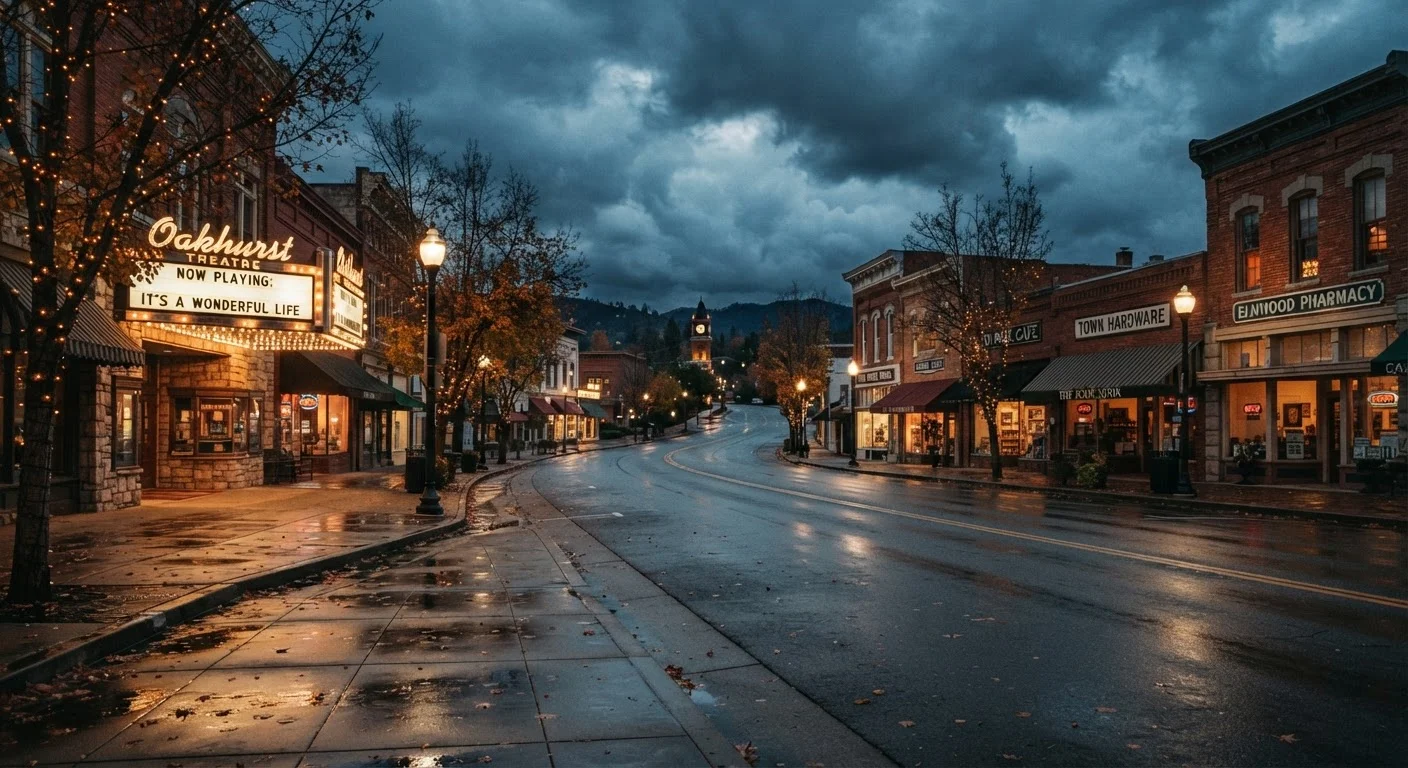
The Off-Season Reputation Problem
Ask most American travelers why they avoid certain destinations in January or October, and you'll hear a familiar refrain: "Nothing's open," "The weather's terrible," or "It won't be worth it." These assumptions aren't entirely baseless - some beach resorts do scale back, and mountain passes can close - but they're applied far too broadly, shutting people out of experiences that could be genuinely rewarding.
Off-season travel in the US is one of those topics where the reality diverges sharply from the received wisdom. Myths about dead destinations and miserable conditions have taken on a life of their own, and they persist even when the evidence contradicts them. The result? Travelers miss out, while the same peak-season windows get ever more crowded and expensive.
If you're curious about the gap between peak and off-peak experiences, our look at shoulder season travel is also worth your time - it explores the middle ground that sits between the two extremes.
Myth
Everything shuts down in the off-season, so there's nothing to do.
Fact
Most US destinations remain operational year-round; what changes is the scale and pace, not the existence of things to see and do.
This myth tends to originate from a handful of genuinely seasonal destinations - certain Cape Cod towns, some ski resorts in mud season - and gets applied universally. In reality, national parks stay open year-round (though some facilities may be limited), major cities are fully operational regardless of season, and even smaller tourism towns typically maintain a core of open restaurants, shops, and attractions. The experience shifts, but it rarely disappears.
Myth
Off-season weather is always bad and will ruin the trip.
Fact
Weather during off-peak periods varies enormously by region and month - many US destinations have their mildest or most scenic conditions outside peak season.
Weather assumptions are often the most oversimplified part of off-season thinking. The American Southwest is frequently at its most comfortable in winter. The Southeast can be pleasantly warm through much of January and February. Even northern destinations like the Upper Peninsula of Michigan or Vermont have a compelling, atmospheric quality in off-peak months for travelers who embrace rather than resist the conditions. Research the specific destination and month rather than making blanket assumptions about "winter" or "off-season" weather.
Myth
You'll save a lot of money automatically by traveling off-season.
Fact
Off-season travel can coincide with lower lodging availability and different pricing dynamics, but savings are not guaranteed and vary significantly by destination and timing.
The relationship between off-season timing and cost is more nuanced than the popular narrative suggests. Some properties do reduce rates during slower periods, and competition for rooms tends to ease. But other factors - limited inventory when some properties close, holiday windows that briefly spike demand even in winter, and destination-specific dynamics - mean that automatic savings aren't a sure thing. Always compare actual rates rather than assuming off-season means cheaper. For context on how peak vs. non-peak periods affect pricing and access, see our article on peak season vs. shoulder season travel.
Myth
Off-season travel means you'll miss the best the destination has to offer.
Fact
Many destinations have off-season highlights - local events, natural phenomena, and cultural experiences - that peak-season visitors rarely encounter.
Peak season is built around what most travelers want most of the time. But that's not the same as what's most interesting, most authentic, or most memorable. Off-season visitors to New Orleans catch a different, more neighborhood-rooted version of the city. Travelers who visit national parks in fall often encounter wildlife behavior, foliage, and light conditions that summer crowds miss entirely. Local festivals, off-peak arts programming, and slower-paced interactions with residents can make an off-season trip feel more genuinely connected to a place than the peak-season version ever could.
Myth
Lodging quality drops significantly in the off-season.
Fact
Lodging quality largely depends on the property, not the season - many accommodations maintain the same standards year-round, though it's worth confirming what's available before booking.
While some resort properties do scale back services or amenities during slower periods, the quality of a hotel, inn, or rental is primarily a function of how it's managed, not when you arrive. Off-season can actually be a time when staff attention is more personalized and properties feel less frantic. The practical step is to verify with any lodging provider what services will be available during your specific dates - particularly for amenities like on-site dining, pools, or activity programming - rather than assuming either the best or worst.
What Off-Season Actually Looks Like on the Ground
The practical texture of off-season travel varies enormously by destination type. Coastal towns in New England or the Carolinas may see reduced hours at some restaurants, but the landscapes - storm-lit beaches, empty boardwalks, moody harbors - take on a character that summer visitors rarely see. For more on how coastal regions differ from each other in character and seasonality, see our comparison of Coastal New England and the Pacific Northwest.
Mountain destinations follow their own logic. Some boom in winter for skiing and quiet down in spring; others peak in fall foliage season and settle into a slower rhythm through the coldest months. Either way, the communities don't disappear - they shift. Local restaurants fill up with regulars, trails become uncrowded, and lodges that felt transactional in peak season become genuinely welcoming. Mountain town travel has its own seasonal rhythms worth understanding before you book.
For travelers considering a longer stay during these quieter windows, extended stays at US destinations can unlock an even richer experience - slower pacing often suits off-season travel especially well.
~40%
Fewer visitors to national parks in winter vs. summer
National Park Service visitation data consistently shows winter months draw a fraction of summer crowds at most major parks, translating to shorter waits and more access.
3-4x
Variation in seasonal visitation at top US destinations
Studies of domestic tourism patterns show that many popular US destinations see visitor volume swing dramatically between their peak and off-peak months, sometimes by a factor of three or more.
Planning Smarter Around Off-Season Realities
Going off-season does require a bit more planning homework. Verifying which attractions, restaurants, and transit options remain operational is essential - don't assume the full summer lineup will be available. Official destination websites and local tourism boards are reliable starting points, and a quick call to your lodging property can clarify a lot.
Weather is worth researching rather than assuming. Southern destinations like Savannah, Georgia or Sedona, Arizona are often delightful in January. Gulf Coast towns can be beautifully mild in February. The Pacific Southwest is practically purpose-built for winter travel. Meanwhile, travelers headed to northern or high-altitude destinations should check road conditions, seasonal closures, and whether key services scale back before committing to an itinerary.
Lodging decisions also deserve a second look. Off-season availability can be higher, but so can variability - some properties do close or reduce staffing. Confirm your reservation details directly. For broader trip planning strategies, including how to build flexibility into your schedule, a structured approach makes the difference between a trip that delights and one that frustrates.
Travelers who prioritize value will find off-season worth exploring through a travel-on-a-budget lens, keeping in mind that conditions and rates vary and nothing is guaranteed. Researching affordable US destinations that perform well year-round is another practical angle.
This article is for general informational purposes only. Travel conditions, business hours, pricing, and access can change. Always verify details with official sources and providers before booking.
The content on this site is for informational purposes only and is not a substitute for professional advice. Always consult a qualified professional for guidance specific to your situation.