

What Makes Mountain Towns Different
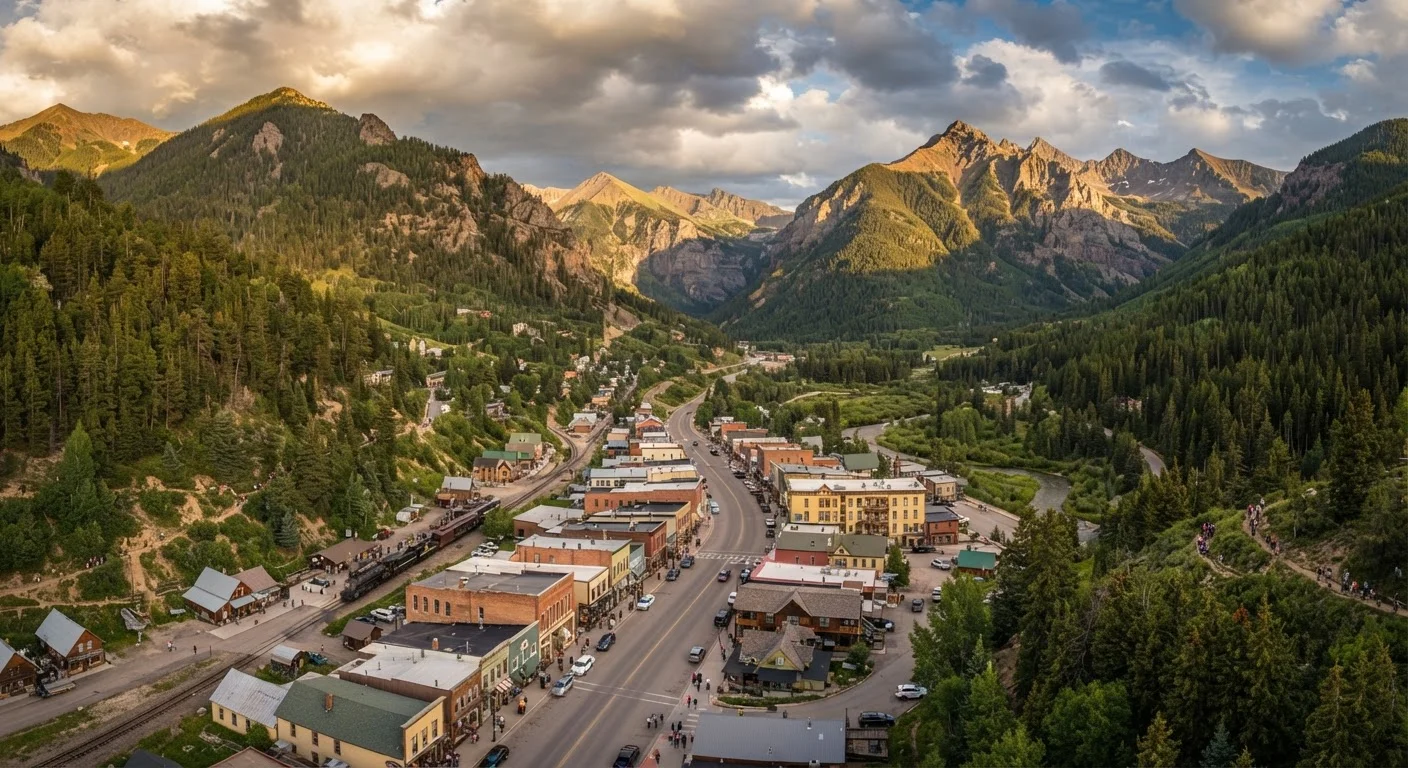
Mountain towns occupy a unique space in American travel. Unlike urban destinations or coastal resorts, they tend to be compact, community-driven, and deeply tied to the land around them. Whether it's a historic mining town in Colorado, a Blue Ridge village in North Carolina, or a ski hub in Utah, these places share a defining trait: the surrounding terrain shapes nearly everything - the pace, the economy, the culture, and the seasonal rhythm of life.
That connection to landscape is exactly what draws repeat visitors. Travelers often describe returning to the same mountain town year after year not because of a single attraction, but because of how the place feels - the smell of pine in the morning, the particular light on a ridgeline, the way locals talk about snowpack or wildflower bloom the way city dwellers talk about traffic.
| Mountain town regions | Rockies, Appalachians, Cascades, Sierra Nevada, White Mountains |
| Typical peak seasons | Winter (ski) and Summer (hiking/festivals) |
| Common lodging types | Inns, B&Bs, ski lodges, vacation rentals, cabins |
| Shoulder season name | "Mud season" (spring) - April to May in most regions |
| Advance booking advisability | High - limited inventory, especially during peak weekends |
| Fall foliage peak (Appalachians) | Typically mid-September through late October |
For those weighing whether a mountain getaway is right for their travel style, understanding a few structural characteristics helps. These destinations tend to have limited lodging inventory compared to major cities, more pronounced seasonal variation in pricing and access, and a higher proportion of independent businesses. That's part of the charm - and part of the planning challenge.
Seasonal Rhythms Worth Understanding
Mountain towns don't operate on a single-season model. Most support at least two distinct visitor peaks - typically winter (skiing, cozy cabins, holiday atmosphere) and summer (hiking, festivals, cooler temperatures). In between, shoulder seasons offer a genuinely different experience worth considering. Off-season travel in the US often means thinner crowds and different local energy - particularly true in mountain communities, where late autumn and early spring bring a quieter, more local character.
Mud season
A colloquial term used in mountain communities to describe the spring shoulder period - usually April and May - when snowmelt makes trails soggy and some seasonal businesses reduce hours or close temporarily.
Gateway town
A larger or more accessible town that serves as an entry point to a mountain region. These often have more lodging variety and services than smaller villages deeper into the range.
Ski-in/ski-out lodging
Accommodations with direct access to ski slopes from the property, allowing guests to step onto and off the mountain without using a car or shuttle. These command premium rates during winter.
Shoulder season
The travel periods between peak seasons - typically spring and fall in mountain destinations - when demand is lower, prices often drop, and the visitor mix shifts toward locals and experienced repeat travelers.
A few seasonal patterns to keep in mind:
- Winter peak: Ski towns see highest demand from December through early March. Lodging books up quickly near lifts; advance reservations matter significantly.
- Summer peak: July and August drive demand across most mountain regions for hiking, festivals, and cooler escapes from lowland heat.
- Mud season: A widely used local term for the spring shoulder - typically April and May - when trails are wet, some businesses reduce hours, and lodging rates drop considerably.
- Fall foliage window: In Appalachian and New England mountain towns, October often rivals summer in popularity, with color-seekers driving strong demand for a concentrated few weeks.
Planning around these rhythms helps travelers find the version of a mountain town that suits them - and their budget. See Travel on a Budget for approaches to stretching your dollars across different destination types.
Lodging Culture in Mountain Communities
Mountain town lodging is rarely cookie-cutter. Independent inns, ski lodges, vacation rentals, and small bed-and-breakfasts dominate in many communities, reflecting local ownership culture and terrain constraints. Large chain hotels exist in bigger gateway towns, but even there, locally operated properties often define the visitor experience more authentically.
A few considerations stand out for first-timers:
- Location within town matters: Being walkable to a main street or trailhead can dramatically change the quality of a stay, especially in car-dependent mountain towns where parking near popular areas is limited.
- Altitude and amenities: Properties at higher elevations sometimes have limited cell service, reduced water pressure, or heating quirks. These are worth asking about, especially for remote cabin stays.
- Minimum stay requirements: Many vacation rentals in mountain towns - particularly during peak weekends - require two- or three-night minimums. This affects planning for short trips.
For travelers considering longer stays, extended stays at US destinations open up different lodging economics and a more immersive way to connect with a mountain community's daily rhythm.
If you're comparing a mountain retreat against a city break or rural escape, urban vs. rural retreat considerations can help clarify which setting best fits your travel goals. And for those drawn to mountain experiences without the premium price tag of marquee destinations, affordable US destinations that deliver outsized experiences highlights several under-the-radar spots worth exploring.
This article provides general travel information for educational purposes. Availability, pricing, and conditions at specific destinations vary and change over time. Always verify current details directly with lodging providers and local tourism resources before finalizing travel plans.
The content on this site is for informational purposes only and is not a substitute for professional advice. Always consult a qualified professional for guidance specific to your situation.