

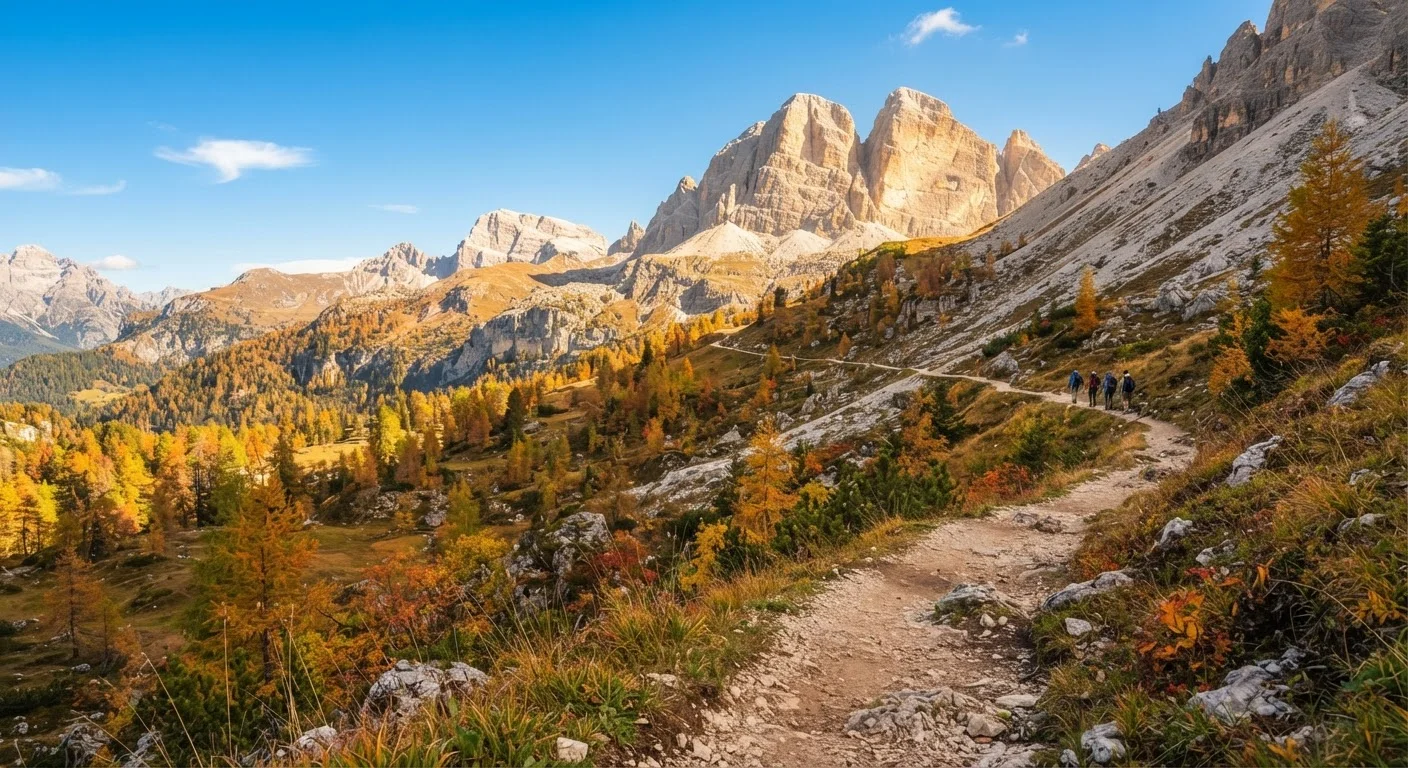
The Basic Idea: A Window Between Two Extremes
Almost every travel destination in the US operates on a seasonal demand cycle. At the top sits peak season - the stretch when everyone wants to visit, prices climb, and popular spots fill up fast. At the bottom sits the off-season, when conditions may be less favorable and some services scale back or close. Shoulder season is the transitional period between those two extremes.
Think of it as the sweet spot many experienced travelers deliberately seek out. The destination is still accessible and largely operational, but the intensity of peak-season crowds and pricing has eased. For cost-conscious travelers, that shift can make a meaningful practical difference.
Shoulder season isn't a fixed calendar date - it's defined by demand, not the clock. A beach town in the Carolinas and a national park in Utah each have their own rhythm. Understanding the concept is the first step; applying it to a specific destination is where the real planning happens. For a closer look at how the two higher-demand periods compare, see how peak and shoulder seasons differ.
Why Shoulder Season Tends to Cost Less
Travel pricing is driven largely by demand. When a destination is packed - think summer on Cape Cod or winter in Park City - hotels, vacation rentals, and airlines can charge a premium because rooms and seats fill regardless. When demand dips, prices typically follow.
Shoulder season represents a demand dip without a full collapse. Occupancy rates drop enough that properties and carriers compete more actively for bookings, and that competition can show up in rates. It's the same market logic that drives seasonal price drops across other consumer categories - supply and demand finding a new equilibrium.
20-40%
Typical hotel rate reduction in shoulder vs. peak season
Industry travel research generally estimates accommodation rates drop by this range during shoulder periods at popular US destinations, though actual savings vary by market.
30-50%
Reduction in visitor volume at major national parks
National Park Service visitation data consistently shows significant visitor count drops in shoulder months like May and October compared to July and August peaks.
2-4 weeks
Typical shoulder window length at most destinations
Travel industry analysis suggests shoulder seasons at most US destinations span roughly two to four weeks on either side of the peak period, though this varies widely.
The savings aren't guaranteed, and specific events or holidays can push prices back up even within a shoulder window. But as a general pattern, shoulder travel periods tend to reward travelers who build in some date flexibility. That flexibility factor is explored in depth in our guide on flexible vs. fixed travel date strategies.
What Shoulder Season Looks Like Across Different US Destinations
The timing shifts considerably depending on where you're headed.
- Beach destinations (Gulf Coast, Outer Banks, Southern California): Shoulder windows often fall in April-May and September-October, when water temperatures are still reasonable but family summer crowds have thinned or haven't yet arrived.
- National parks (Grand Canyon, Yellowstone, Zion): Late spring and early fall are classic shoulder periods. Trails and facilities are open, but the summer crush of visitors hasn't materialized - or has just ended.
- Mountain and ski towns: The gap between ski season and summer hiking season (often April-May) and the transition from summer to winter (October-November) both qualify. Lifts may be closed but lodging is far more affordable.
- Urban destinations: Cities are more complex. Conference seasons, local festivals, and conventions can spike demand at unexpected times. January and February often represent a shoulder period for many major US cities, though weather trade-offs vary.
Knowing a destination's specific rhythms is more useful than applying a generic shoulder-season calendar. The Destinations & Stays hub covers individual destination considerations in more detail.
The Trade-Offs Worth Knowing Before You Book
Shoulder season delivers real advantages, but it comes with genuine trade-offs that are worth understanding before committing to dates.
Weather unpredictability is the most common one. Shoulder season sits at the transition between weather patterns, which means conditions can be spectacular - or genuinely difficult. A May trip to the Pacific Northwest might mean blooming wildflowers or persistent rain. An October visit to a mountain park could mean golden aspens or an early snowstorm.
Reduced service availability is another factor. Some seasonal restaurants, tours, ferry services, or resort amenities operate on limited schedules outside peak windows. It's worth confirming what will actually be open before finalizing plans.
Confirm What's Actually Open Before Booking
Before committing to shoulder season dates, check directly with the specific attractions, tours, or restaurants central to your trip. Some seasonal businesses reduce hours or close entirely during transitional periods. A quick call or website check can prevent arriving to find your plans limited.
If you're drawn to slower, more immersive travel rather than a packed itinerary, shoulder season pairs well with a longer stay. Our guide on making the most of extended US destination stays offers practical approaches for that style of travel.
For travelers who want more contrast, off-season travel in the US presents a compelling case for going even further outside the peak window - with a clear-eyed look at what that actually involves.
The Trip Planning hub is a useful starting point for building out a full itinerary once you've settled on a travel window.
Frequently Asked Questions
It depends entirely on the destination. For beach destinations, shoulder season is typically April-May and September-October. Mountain and national park areas often see shoulder periods in May and October-November. Cities vary based on convention schedules and local events.
Generally, yes - hotels, vacation rentals, and flights tend to be priced lower during shoulder periods because demand is reduced. However, prices can spike around holidays, local festivals, or major events even within a shoulder window, so it's worth checking specific dates.
Some businesses, tours, or seasonal attractions may operate on reduced hours or close entirely. Weather is less predictable than peak season. A few resort-style destinations also scale back amenities when tourist traffic slows.
Off-season typically represents the lowest demand period, often accompanied by the most challenging weather or the fewest open attractions. Shoulder season still offers reasonable access to most amenities while providing some of the cost and crowd benefits associated with off-season travel.
Absolutely. Every US destination - from national parks and ski resorts to coastal towns and urban centers - has its own seasonal rhythm. Identifying shoulder windows for a specific domestic destination is one of the most practical trip-planning strategies available.
It often can. Airlines adjust fares based on demand, and shoulder periods typically see reduced demand on popular routes. Using flexible date search tools when booking can help identify the lower-priced windows around a target travel period.
The content on this site is for informational purposes only and is not a substitute for professional advice. Always consult a qualified professional for guidance specific to your situation.