

Our Verdict
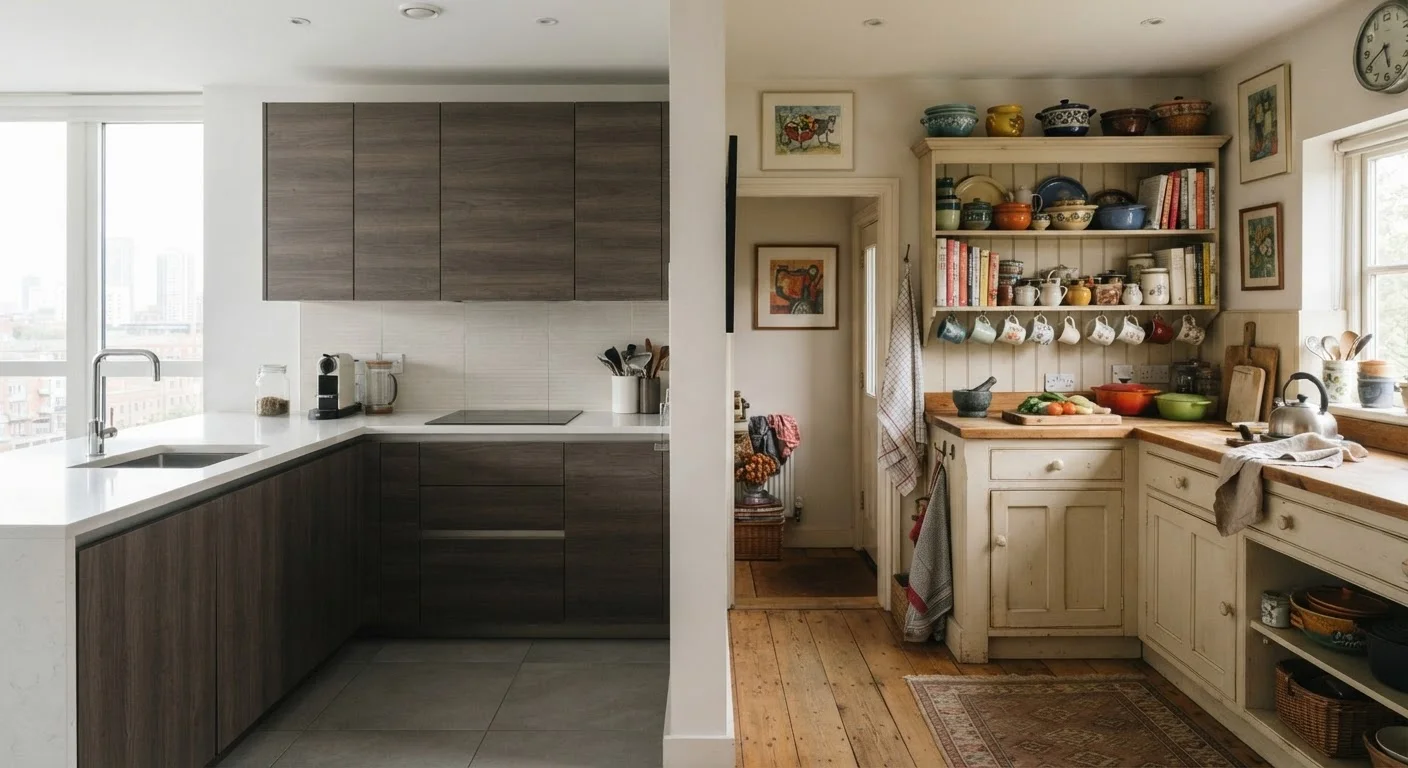
Neither value-focused nor comfort-focused renovation is universally correct - the right approach depends on how long you plan to stay, your local market, and your personal priorities. Homeowners planning to sell within two to three years should weight decisions toward broadly appealing, high-return upgrades. Those with a longer horizon have far more room to invest in what genuinely improves their daily life.
| Best for | Recommended |
|---|---|
| Homeowners planning to sell within 1-3 years | Value-focused renovation |
| Long-term homeowners prioritizing daily livability | Comfort-focused renovation |
| Homeowners seeking a balanced, practical middle ground | Hybrid approach targeting kitchens, baths, and systems |
The Core Tension Every Homeowner Faces
Home renovation decisions rarely feel simple. You want a home that feels right to live in today - but you're also aware that certain choices can affect what a buyer might pay tomorrow. That tension between personal enjoyment and financial return is real, and it's worth thinking through clearly rather than defaulting to either extreme.
The good news is that the two goals aren't always in conflict. But understanding where they diverge - and where they align - helps you spend renovation dollars with far greater confidence. The foundation of that understanding starts with one question: How long do you plan to stay?
For context on the broader financial picture of homeownership, see the financial and lifestyle trade-offs between renting and buying.
What 'Renovating for Value' Actually Means
Renovating for value means prioritizing projects that are likely to increase a home's appeal to future buyers and potentially recover a meaningful portion of their cost at resale. Industry data - such as the annual Cost vs. Value reports published by Remodeling magazine - consistently shows that not all projects recoup equally. Nationally, mid-range kitchen remodels and bathroom updates tend to perform better than luxury additions or highly personalized finishes, though returns vary considerably by region and market conditions.
Projects that generally support resale appeal include:
- Minor-to-mid kitchen updates (new hardware, countertops, energy-efficient appliances)
- Bathroom refreshes (updated fixtures, neutral tile, improved lighting)
- Replacing aging systems (roof, HVAC, water heater) that buyers will scrutinize during inspection
- Curb appeal improvements (exterior paint, landscaping, front door replacement)
One important caveat: no renovation guarantees a specific return. Local market conditions, neighborhood price ceilings, and buyer preferences all shape outcomes. What actually raises and lowers your home's value offers a broader look at what genuinely moves the needle on property value over time.
| Value-Focused Renovation | Comfort-Focused Renovation | |
|---|---|---|
| Primary goal | Maximize resale appeal and return | Improve daily livability and enjoyment |
| Best timeline | Selling within 1-3 years | Staying 5+ years |
| Project examples | Kitchen refresh, roof replacement, curb appeal | Home office conversion, radiant heat, custom storage |
| Buyer appeal | Broad, neutral, market-tested | Potentially narrow or highly personal |
| Financial risk | Lower if market-aligned | Higher if over-customized or above price ceiling |
| Quality of life impact | Moderate to high | High during ownership period |
What 'Renovating for Comfort' Looks Like
Comfort-driven renovations prioritize your lived experience over a future buyer's checklist. This might mean converting a spare bedroom into a home office configured exactly for your workflow, adding radiant floor heating in a bathroom you use every morning, or opening up a floor plan to suit the way your household actually moves through space.
These upgrades can be deeply worthwhile - a home that supports your life well is genuinely valuable, even if that value doesn't fully translate to a sale price. The risk arises when comfort renovations involve heavy customization that narrows buyer appeal, or when spending pushes the home's total value well above what comparable properties in the neighborhood support.
Watch Out for Over-Customization
Highly personalized renovations - bold color palettes, niche fixtures, or layouts built around one household's specific habits - can reduce buyer appeal if you eventually sell. This doesn't mean you should avoid personal choices entirely, but it's worth being deliberate about which upgrades are easily reversible and which are permanent structural or cosmetic commitments.
For anyone planning a significant layout change, what an open-concept floor plan change actually involves is required reading before any walls come down.
Finding the Projects That Do Both
The most satisfying renovation decisions tend to fall in the overlap: projects that make daily life measurably better while also supporting - or at least not undermining - the home's market position. Kitchens and bathrooms remain the clearest examples. A well-planned kitchen update that improves storage, workflow, and visual appeal serves both your household and a future buyer. The same is true of a bathroom renovation that replaces worn fixtures with clean, durable, broadly appealing materials.
Before starting either of those projects, a room-by-room readiness checklist can help ensure your planning, permits, and budget are aligned. For bathroom work, see tackling a bathroom remodel on a modest budget for practical guidance on phasing and prioritization.
Energy efficiency improvements - better insulation, window upgrades, smart thermostats - often thread this needle well too. They reduce utility costs during your ownership and are increasingly attractive to buyers.
Look for the Overlap First
Before committing to any major project, ask whether it can serve both goals. A kitchen update that improves your workflow today can also appeal to buyers later - especially when finishes are durable and broadly appealing. Prioritizing these 'overlap' projects is a practical way to balance financial prudence with genuine enjoyment of your home.
If you're newer to major home projects, what every first-time renovator should know before swinging a hammer covers the fundamentals: budgeting, permits, contractor vetting, and realistic expectations.
Making the Decision for Your Situation
There's no universal formula, but a few guiding questions can bring clarity:
- What is your realistic timeline? If a sale is likely within two to three years, weight your decisions toward broadly appealing upgrades. If you're staying ten or more years, investing in comfort and livability makes far more sense.
- What does your local market support? Speak with a licensed real estate professional familiar with your neighborhood before undertaking major projects. Spending above the area's price ceiling rarely returns full investment.
- What is the current condition of the home? Deferred maintenance - a failing roof, outdated electrical, moisture problems - almost always takes priority over cosmetic upgrades, both for safety and market appeal.
- What will genuinely improve your daily experience? If a renovation will meaningfully reduce stress, improve function, or make home life more enjoyable over many years, that has real value even if it doesn't appear directly on an appraisal.
Homeownership is a long-term endeavor. The most balanced approach acknowledges both dimensions - protecting the investment while actually enjoying the home you've worked hard to own.
The content on this site is for informational purposes only and is not a substitute for professional advice. Always consult a qualified professional for guidance specific to your situation.