

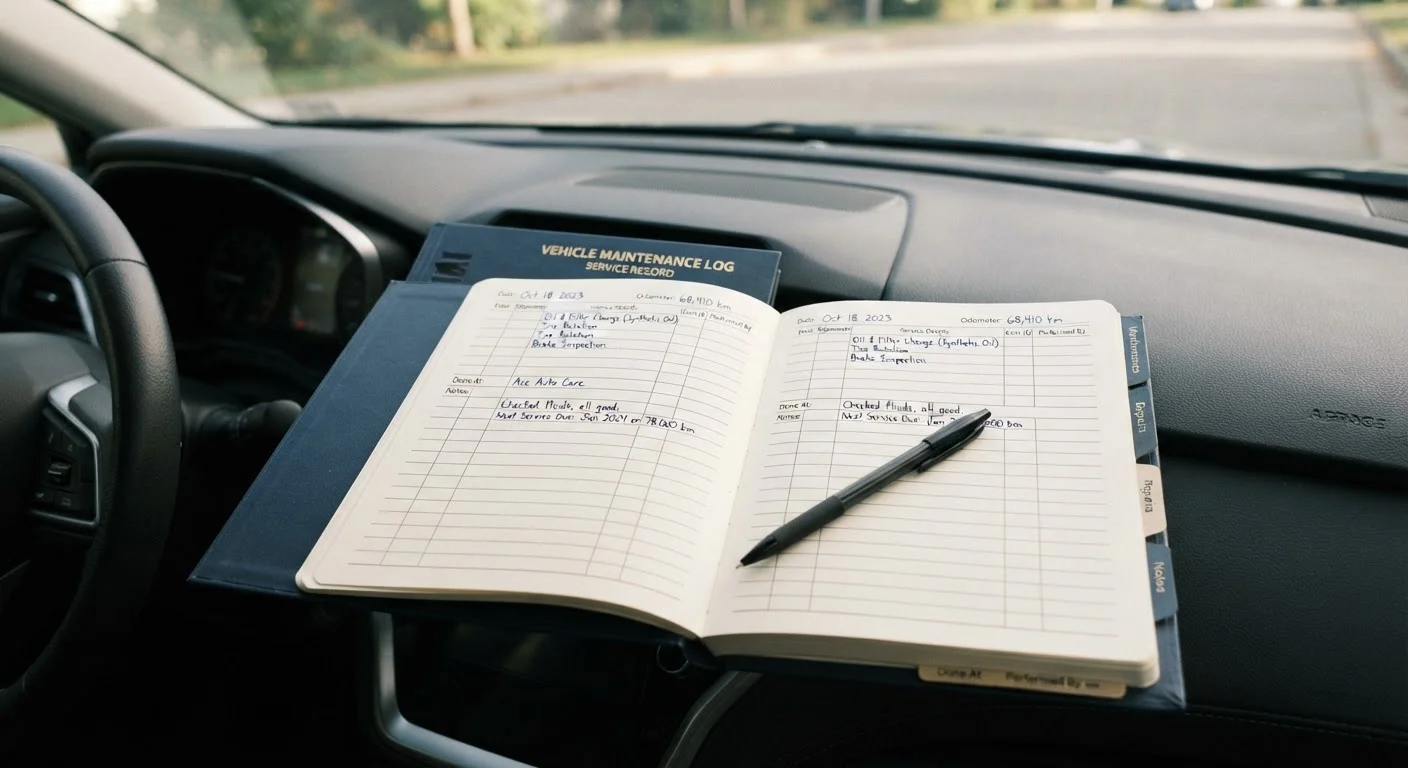
Why Most Logs Fail Before the Second Oil Change
Most drivers start a maintenance log with good intentions after buying a car, then abandon it by month three. The problem is almost never motivation - it's friction. Logs that require special software, a desktop computer, or a specific notebook that stays at home are logs that don't get updated at the moment it actually matters: when you're leaving the shop.
A usable log lives wherever you are when service happens. For most people, that means a phone app, a cloud-based spreadsheet, or a simple paper folder kept in the vehicle. If you're new to structuring vehicle upkeep overall, the basics of car maintenance are a useful starting point before building your log habits.
Choose a Format You Already Use
The most sophisticated log you never update is useless. If you live on your phone, use a notes or spreadsheet app. If you prefer paper, a small spiral notebook in the glovebox works fine. Match the format to your habits, not to what sounds most organized.
What Every Entry Needs to Include
You don't need a complex form. Each log entry should capture five things: date, odometer reading, service performed, who did the work (you or a specific shop), and cost. That's it. Optional but valuable additions include the brand or part number for any component replaced, and any notes about conditions observed.
Record every service immediately, not from memory later.
Details blur quickly after a shop visit. Logging the date, mileage, service type, and cost the same day ensures accuracy and prevents gaps that undermine the record's credibility.
Include the mileage reading for every entry - not just the date.
Many maintenance intervals are mileage-based, not time-based. A date alone won't tell a future buyer or mechanic when the next service is actually due.
Keep receipts or invoices attached to each log entry.
Third-party documentation backs up your own notes, especially if warranty coverage or resale value is challenged. A handwritten log without receipts is harder to verify.
Log DIY work with the same rigor you'd apply to shop visits.
Work you do yourself counts - but only if you document it. Without a record, a future buyer or warranty reviewer has no way to know it happened.
Note unusual symptoms alongside routine services.
Mechanics often ask about the history of a sound or behavior. A log entry that says 'Noticed mild vibration above 60 mph - not yet diagnosed' gives any future technician a meaningful starting point.
Review your log before every scheduled service appointment.
A quick review helps you arrive at the shop informed about what's due, what's been done recently, and what you want to ask about - reducing the chance of duplicate or missed services.
For context on which tasks are reasonable to handle yourself versus when a qualified mechanic should be involved, see our article on DIY car maintenance vs. taking it to a shop.
How a Good Log Pays Off at Resale
When it's time to sell or trade in your vehicle, a documented service history shifts the negotiation in your favor. Buyers - and dealerships - are more confident in a car they can verify. A complete log shows the vehicle was cared for and reduces the uncertainty a buyer has to price into their offer.
Up to $500
Potential resale value boost from documented service history
Industry analysts and used-car appraisers consistently note that verifiable maintenance records can add meaningfully to a vehicle's private-sale asking price.
1 in 3
Used-car buyers who request service records
Surveys of used-vehicle buyers show a significant share specifically ask for maintenance documentation before committing to a purchase.
It's worth understanding what buyers see on their end, too. Reading a vehicle history report explains what third-party records capture - and your personal log fills in the gaps those reports miss, like routine oil changes and tire rotations paid in cash.
“A vehicle with a documented service history isn't just better maintained - it's verifiably better maintained. That distinction matters the moment you try to sell it.”
— Consumer Reports Auto Editors, Automotive consumer advocacy publication
Start Simple, Build the Habit
The goal isn't a perfect archive - it's a usable one. Start with the minimum: date, mileage, and what was done. Add receipts when you have them. Review the log before service appointments. Over time, the record builds itself.
If you find value in record-keeping systems more broadly, the same principles apply to other ownership contexts - our piece on keeping records that actually help covers how documentation habits protect you in consumer disputes generally.
Manufacturer Warranties and Service Records
Most new-vehicle warranties require that maintenance be performed according to the manufacturer's schedule, but they generally do not require you to use a dealership. Keep dated, itemized records of all services - including those done at independent shops or yourself - as documentation if a warranty claim is ever questioned. Review your specific warranty terms for details, as conditions vary.
The content on this site is for informational purposes only and is not a substitute for professional advice. Always consult a qualified professional for guidance specific to your situation.