

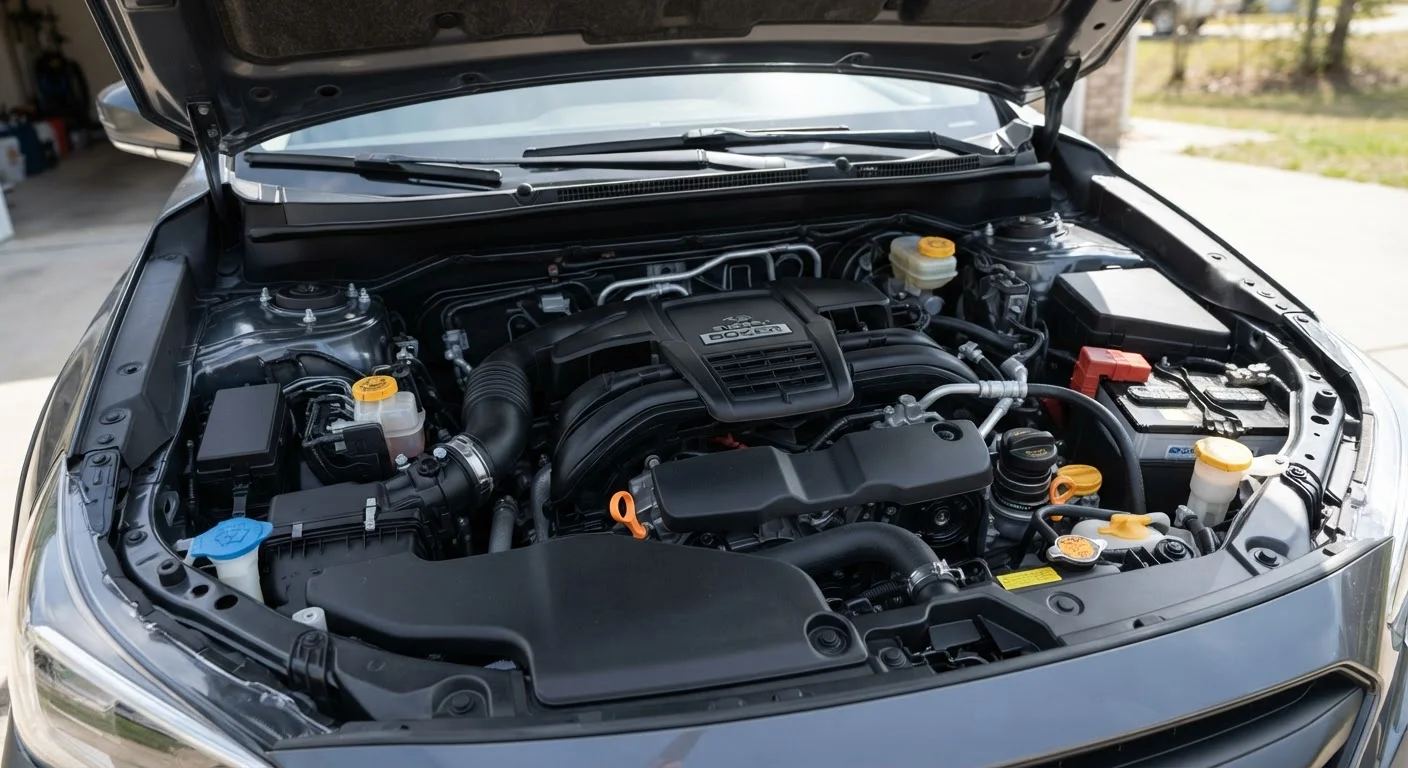
Why Fluid Monitoring Matters
Your vehicle relies on several fluids to keep its mechanical systems lubricated, cooled, pressurized, and clean. When any of them drop below the right level - or degrade in quality - components wear faster, overheat, or fail outright. The good news: checking these fluids is a task almost any driver can handle in a parking lot with a rag and a few minutes.
This isn't about replacing your mechanic. It's about knowing your vehicle well enough to catch something off before it becomes expensive. If a dashboard light does illuminate, our guide to warning lights can help you interpret what the vehicle is telling you.
What you will need
The steps below cover the six fluids worth checking regularly, along with what to look for and when to escalate to a professional.
Clean rags or paper towels
Used to wipe dipsticks clean and check fluid color and clarity.
Flashlight
Helps you see fluid levels and colors clearly in a crowded engine bay.
Owner's manual
Confirms correct fluid specifications, reservoir locations, and check intervals for your vehicle.
Funnel
Makes topping off fluids easier and reduces the risk of spills on engine components.
How to Check Each Fluid
Work through the fluids in order, keeping your owner's manual handy. Every vehicle's engine bay is laid out differently, and the manual will show you exact reservoir locations and the correct fluid specifications for your model and year.
Check Engine Oil Level and Condition
Locate the oil dipstick - typically marked with a bright handle near the front of the engine. Pull it out, wipe it clean, reinsert it fully, then pull it out again. The oil should fall between the two marks on the dipstick. Equally important: look at the color. Healthy oil is amber or light brown. Very dark or gritty oil suggests it's overdue for a change. Milky or frothy oil may indicate coolant contamination - a serious concern requiring prompt professional attention.
For a deeper look at oil change intervals and the difference between oil types, see our oil change guide.
Inspect the Coolant (Antifreeze) Level
Look for the translucent coolant reservoir - usually marked with a min/max scale you can read without opening the cap. The coolant should be between those lines. Color varies by type (green, orange, pink, or blue depending on the formulation), but it should appear clear, not murky or rusty. Never open the radiator cap on a hot engine; pressurized steam can cause serious burns.
Check Brake Fluid
The brake fluid reservoir is typically a small translucent plastic container on top of the brake master cylinder, near the back of the engine bay on the driver's side. The fluid level should sit between the MIN and MAX lines. Brake fluid is normally clear to light yellow; dark or murky fluid absorbs moisture over time and loses effectiveness. Do not open the cap in humid or dusty conditions - brake fluid is hygroscopic (it absorbs moisture from the air) and easily contaminated.
Check Transmission Fluid
Many automatic transmissions have a dipstick (often located toward the back of the engine bay), though some modern vehicles have sealed transmissions that require a dealer or shop check. If a dipstick is present, use the same wipe-reinsert-read method as with engine oil. Healthy automatic transmission fluid (ATF) is pinkish-red and slightly transparent. Brown or burnt-smelling fluid indicates degradation. Manual transmissions are typically checked from underneath the vehicle - a task best left to a qualified mechanic.
Check Power Steering Fluid
If your vehicle uses hydraulic power steering (many newer vehicles use electric power steering and have no fluid to check), find the reservoir - usually a small cap labeled with a steering wheel icon. Many reservoirs have a MIN/MAX scale. Power steering fluid should be clear to light amber. Dark or foamy fluid or a consistently low level may point to a slow leak. If you notice whining or stiffness when turning, check your dashboard warning lights and have the system inspected promptly.
Check Windshield Washer Fluid
This is the simplest check - the reservoir is usually marked with a windshield icon and is safe to open at any time. Fill it with washer fluid rated for your climate (freeze-resistant formulas in cold climates). Plain water is not a substitute in winter and can crack the reservoir or clog the nozzles.
Build a Monthly Fluid Check Habit
Set a recurring reminder - perhaps when you get gas - to do a quick visual scan under the hood. Catching a low or discolored fluid early costs almost nothing. Ignoring it can lead to repairs in the hundreds or thousands of dollars. Your owner's manual will outline recommended check intervals for your specific model.
Never Mix Fluid Types
Using the wrong fluid - especially in brake or transmission systems - can cause immediate damage. Always confirm the correct specification in your owner's manual before topping off any reservoir. When in doubt, ask a qualified mechanic rather than guessing.
Low Brake Fluid Is Never Routine
Unlike other fluids, brake fluid doesn't burn off in normal operation. A noticeably lower level almost always means either the brake pads are worn down or there is a leak in the system. Do not treat it as a simple top-off situation - have the brakes inspected by a qualified mechanic before driving the vehicle in demanding conditions.
Reading the Signs: When Fluid Issues Point to Bigger Problems
A fluid that's simply low is usually easy to address. But certain conditions signal something more serious:
- Milky or frothy engine oil suggests coolant is leaking into the oil - a potential head gasket issue that needs professional diagnosis.
- Oil or greasy residue under the vehicle points to an active leak; identify the source before it worsens.
- Recurring low brake fluid isn't a top-off situation - it warrants a brake inspection.
- Burnt smell from transmission fluid can mean the fluid is well past its service interval or the transmission is running hot.
If you've recently purchased a used vehicle and aren't sure of its service history, reviewing a vehicle history report can reveal prior incidents that might explain unexpected fluid conditions. And when evaluating a car you haven't bought yet, asking the seller about service records is a smart first step.
Routine fluid checks pair naturally with other maintenance habits. For a broader look at how seasonal changes affect your vehicle's needs, the seasonal car care guide covers what to prioritize when temperatures shift significantly.
The content on this site is for informational purposes only and is not a substitute for professional advice. Always consult a qualified professional for guidance specific to your situation.