

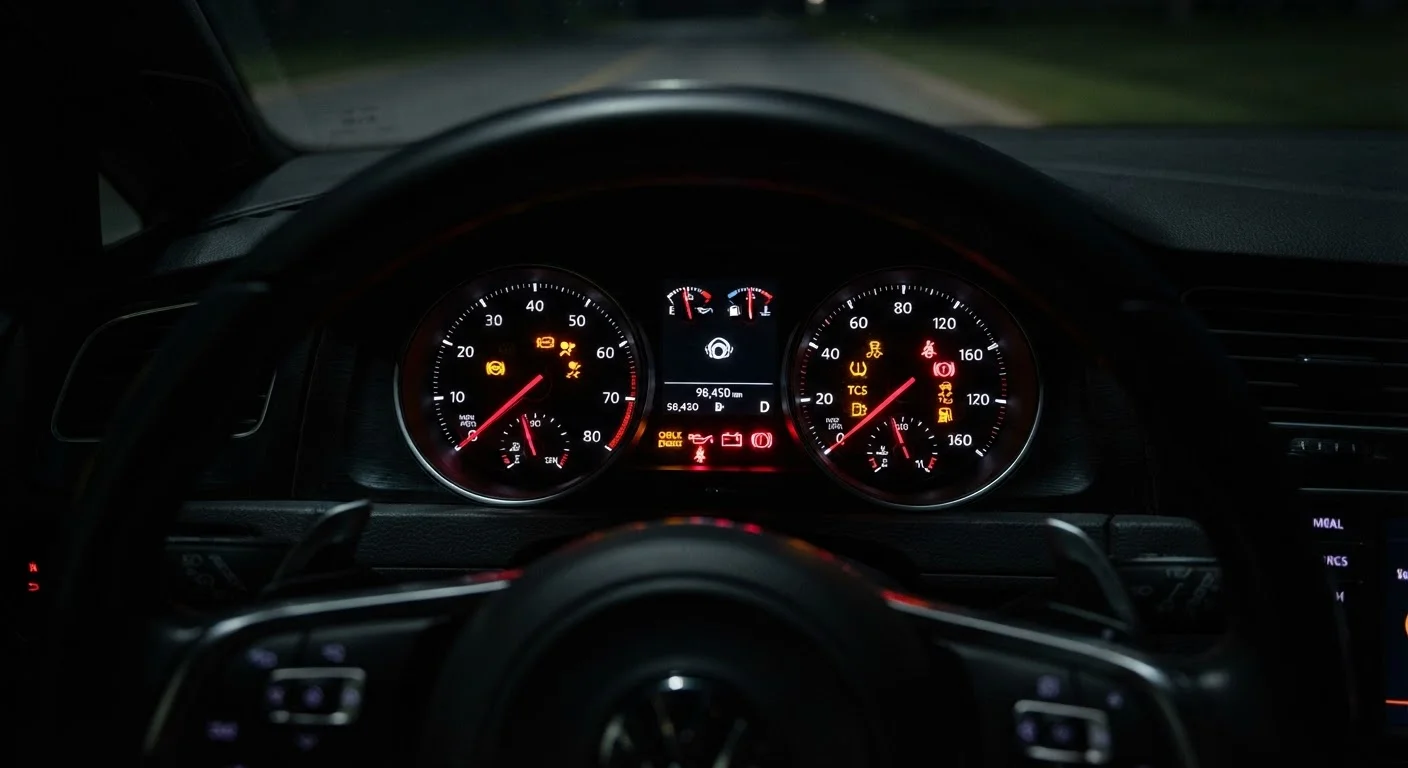
Why Warning Lights Exist (And Why You Shouldn't Ignore Them)
Modern vehicles are equipped with onboard diagnostic systems that continuously monitor dozens of sensors. When something falls outside normal parameters, the system flags it with a dashboard warning light. Think of these lights as your car's way of filing a report - some are urgent, others are reminders, and a few are purely informational.
The critical mistake many drivers make is treating all warning lights the same way: either panicking at every one or ignoring them entirely. Neither approach serves you well. A red light generally signals stop-now urgency. An amber or yellow light typically means investigate soon. A blue or green light is usually just a system status indicator, not a warning at all.
If you're ever unsure what a light means, your owner's manual is the most reliable source - it contains an exact key for every symbol your specific vehicle uses.
The Warning Lights You're Most Likely to See
Here's a plain-English breakdown of the most common dashboard symbols and what action each one calls for.
Check Engine Light (Malfunction Indicator Lamp)
This amber engine-shaped icon is one of the most frequently misunderstood lights on the road. It can mean anything from a loose gas cap to a misfiring cylinder. If it's steady, schedule a diagnostic scan soon - don't wait weeks, but you're generally okay to drive short distances. If it's flashing, that typically signals a serious misfire that can damage your catalytic converter. Pull over safely and have the vehicle towed or inspected immediately.
Oil Pressure Warning
This red oil-can symbol means your engine may not have adequate oil pressure - not simply that you're low on oil. Low pressure can cause rapid engine damage. Pull over as soon as it's safe, turn off the engine, and check your oil level. Do not continue driving with this light on. See our guide to monitoring fluid levels for how to check oil correctly.
Temperature Warning
A red thermometer icon indicates your engine is overheating. Turn off the A/C, pull over, and let the engine cool before opening the hood. Never open a hot radiator cap. Continuing to drive an overheating engine can cause catastrophic and expensive damage.
Battery Warning
A red battery symbol means the charging system isn't functioning properly - often a failing alternator or a bad connection. Your battery is running on reserve power. Limit electrical use and get to a shop promptly; the car may not restart once turned off.
Tire Pressure Monitoring System (TPMS)
This amber symbol - a cross-section of a tire with an exclamation mark - activates when one or more tires fall significantly below the recommended pressure. Check all four tires with a gauge and inflate to the pressure listed on the sticker inside your driver's door jamb, not the number on the tire sidewall. The light may also signal a sensor fault.
Brake System Warning
If this red light appears while driving (and your parking brake is fully released), have your brake system inspected immediately. It may indicate low brake fluid or a hydraulic issue. Brakes are not something to defer.
OBD-II (On-Board Diagnostics)
A standardized vehicle diagnostic system required on most U.S. cars built after 1996. It monitors engine and emissions systems and stores fault codes that a scanner can read.
Malfunction Indicator Lamp (MIL)
The official name for the check engine light. It illuminates when the vehicle's computer detects a fault in the engine or emissions system.
TPMS
Tire Pressure Monitoring System - a sensor-based system that alerts the driver when tire pressure drops significantly below the recommended level.
Fault Code (DTC)
A Diagnostic Trouble Code stored by the vehicle's computer when a sensor reading falls outside normal range. A code points technicians toward the affected system, though further diagnosis is usually needed to pinpoint the exact cause.
Catalytic Converter
An emissions control device in the exhaust system that converts harmful combustion byproducts into less harmful gases. Engine misfires can overheat and permanently damage it.
Oil Pressure
The force at which engine oil is circulated through the lubrication system. Insufficient pressure - not just low oil level - triggers the oil pressure warning light and can cause rapid engine wear.
What to Do When a Light Comes On
The right response depends on the color and context. A few practical steps apply across the board:
- Note what the car is doing. Is it running rough? Pulling to one side? Making noise? This information helps a technician diagnose the problem faster.
- Check your owner's manual. Every vehicle's symbol set varies slightly. The manual will tell you exactly what your car's symbols mean and how urgent each one is.
- Don't clear the code just to make the light disappear. An OBD-II scanner can read the trouble code, which is useful information. But erasing the code without fixing the problem just delays diagnosis - and some issues will trigger emissions test failures.
- Get a professional diagnostic if you're unsure. Many auto parts retailers offer free code scans. A scan tells you the stored fault code, but interpreting it correctly - and finding the actual root cause - often requires a qualified mechanic. See how to read a mechanic's estimate so you can ask the right questions.
This article is for general informational purposes only. For any safety-critical warning light, always consult a qualified mechanic before continuing to drive.
The content on this site is for informational purposes only and is not a substitute for professional advice. Always consult a qualified professional for guidance specific to your situation.