

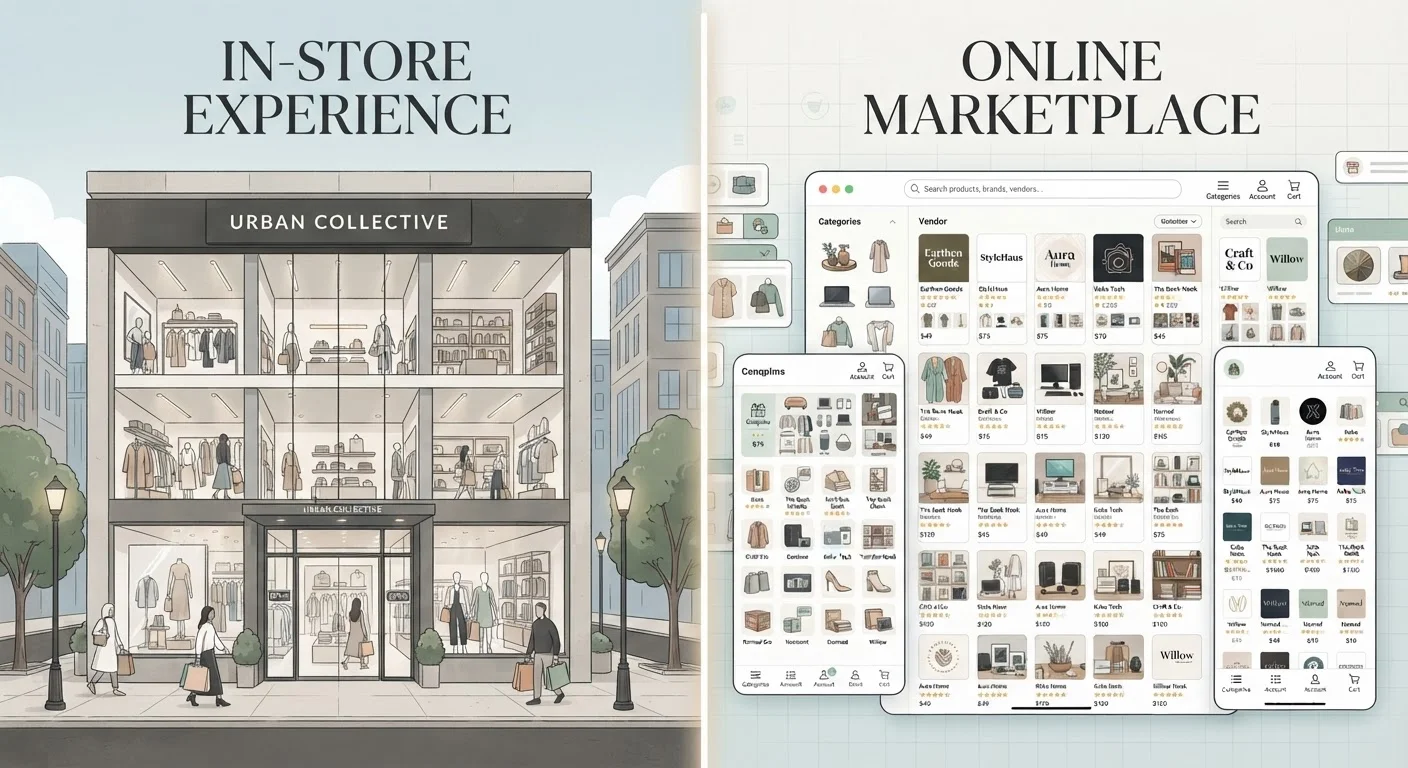
Our Verdict
Direct retailers give shoppers a cleaner, more legally predictable experience - a single party is responsible for the product, the listing, and the return. Third-party sellers can offer competitive options, but the buyer shoulders more responsibility for vetting the seller and understanding the platform's dispute process before purchasing.
| Best for | Recommended |
|---|---|
| Shoppers who prioritize clear recourse if something goes wrong | Direct Retailers |
| Shoppers comfortable researching seller reputation and platform policies | Third-Party Sellers |
| High-value purchases where warranty or return rights matter most | Direct Retailers |
The Core Difference: Who Is Actually Selling to You
When you shop on a major marketplace - think large e-commerce platforms - you're not always buying from the platform itself. The product listing may come from an independent third-party seller who uses the platform as a storefront. That distinction matters enormously when you need to return something, dispute a charge, or exercise a warranty.
A direct retailer is the entity that owns the inventory, sets the price, and ships your order. They're the merchant of record, meaning they're legally the seller in the transaction. A third-party seller is an independent business or individual listing products through someone else's marketplace. The platform facilitates the transaction but is generally not the seller.
This separation affects everything from who processes your return to who's responsible if the item is counterfeit or arrives damaged. For a broader grounding in what consumer law actually protects, see consumer protection laws every shopper should know.
How Protections Compare Across Key Areas
The practical differences show up in returns, warranties, dispute resolution, and fraud liability. Here's how the two channels typically stack up:
| Direct Retailer | Third-Party Seller | |
|---|---|---|
| Return policy | Uniform, platform-wide policy | Varies by seller; may be restrictive or final sale |
| Warranty coverage | Generally honored; authorized seller status typical | May be voided if seller is unauthorized |
| Counterfeit risk | Lower; direct sourcing from manufacturer/distributor | Higher; independent sourcing, less oversight |
| Dispute resolution | Single point of contact; clear escalation path | Platform mediates; outcomes less predictable |
| Legal accountability | Retailer is merchant of record; directly liable | Seller is liable; platform liability limited |
| Customer service | Consistent; backed by retailer's own team | Varies widely by individual seller |
One point that often catches shoppers off guard: fulfilled by marketplace doesn't mean sold by marketplace. A platform can store and ship a third-party seller's inventory while having no ownership stake in it - and therefore limited legal responsibility if the product is defective or counterfeit.
Returns and Refunds: Who Sets the Rules
Direct retailers publish a single return policy that applies uniformly to everything they sell. Third-party sellers set their own policies, which can range from generous to nearly non-existent. Some list items as final sale with no returns accepted.
Marketplace platforms often publish minimum standards that third-party sellers must meet to remain listed, and some offer their own buyer guarantee programs that step in when a seller won't cooperate. But these programs have conditions - time windows, required documentation, exclusions for certain product categories - that aren't always obvious at checkout.
Screenshot Everything Before You Buy
Before completing a third-party purchase, take a screenshot of the product listing, the seller's return policy, and the price. Listings can be edited after purchase, and having a timestamped record protects you if you need to dispute the transaction later. Most platform dispute systems and credit card issuers will ask for documentation of what was advertised.
If a return goes sideways with a third-party seller, your credit card's dispute process is often a stronger tool than the platform's internal system. Cards issued under the major networks typically allow chargebacks for items not as described or never received, subject to the card issuer's own rules and timelines. Understanding what you're owed when a purchase fails can help you decide when and how to escalate.
Warranties, Counterfeits, and Accountability Gaps
Manufacturer warranties can become complicated in third-party transactions. Some manufacturers restrict warranty coverage to goods purchased through authorized sellers. If a third-party seller isn't authorized, the manufacturer may refuse a warranty claim even on a brand-new product - leaving you with little recourse unless the seller's own policy covers it.
Counterfeit goods are a documented risk in marketplace environments. Because third-party sellers list independently, platforms rely on automated systems and brand reporting to catch fakes - which means some slip through. Direct retailers who source from authorized distributors carry significantly lower counterfeit risk.
If you believe you've received a counterfeit product, the Federal Trade Commission (FTC) and U.S. Customs and Border Protection both accept consumer reports. You can also file a formal complaint against the seller through state consumer protection offices. The platform itself should also be notified - most have brand protection or anti-counterfeiting reporting tools.
For purchases that may involve non-standard product condition - open-box, refurbished, or display units - the same accountability questions apply. Comparing floor models, open-box items, and refurbished goods breaks down what each label typically means for your rights.
What to Check Before You Buy from a Third-Party Seller
Third-party sellers aren't inherently risky - many are legitimate businesses with strong track records. The key is doing a little homework before completing the purchase:
- Identify the seller clearly. Look for the 'sold by' label on the product page, not just 'fulfilled by.' These are separate disclosures.
- Read the return policy on the individual listing, not the platform's general policy page.
- Check seller ratings and review history, paying attention to comments about shipping accuracy and return experiences.
- Confirm warranty eligibility with the manufacturer if the product requires it for coverage.
- Use a credit card rather than a debit card or platform-issued gift card to maximize your chargeback options.
The same due diligence applies in other contexts where the seller's identity shapes your rights - understanding what 'as-is' terms actually mean is a good companion read before finalizing any non-standard purchase.
The content on this site is for informational purposes only and is not a substitute for professional advice. Always consult a qualified professional for guidance specific to your situation.