

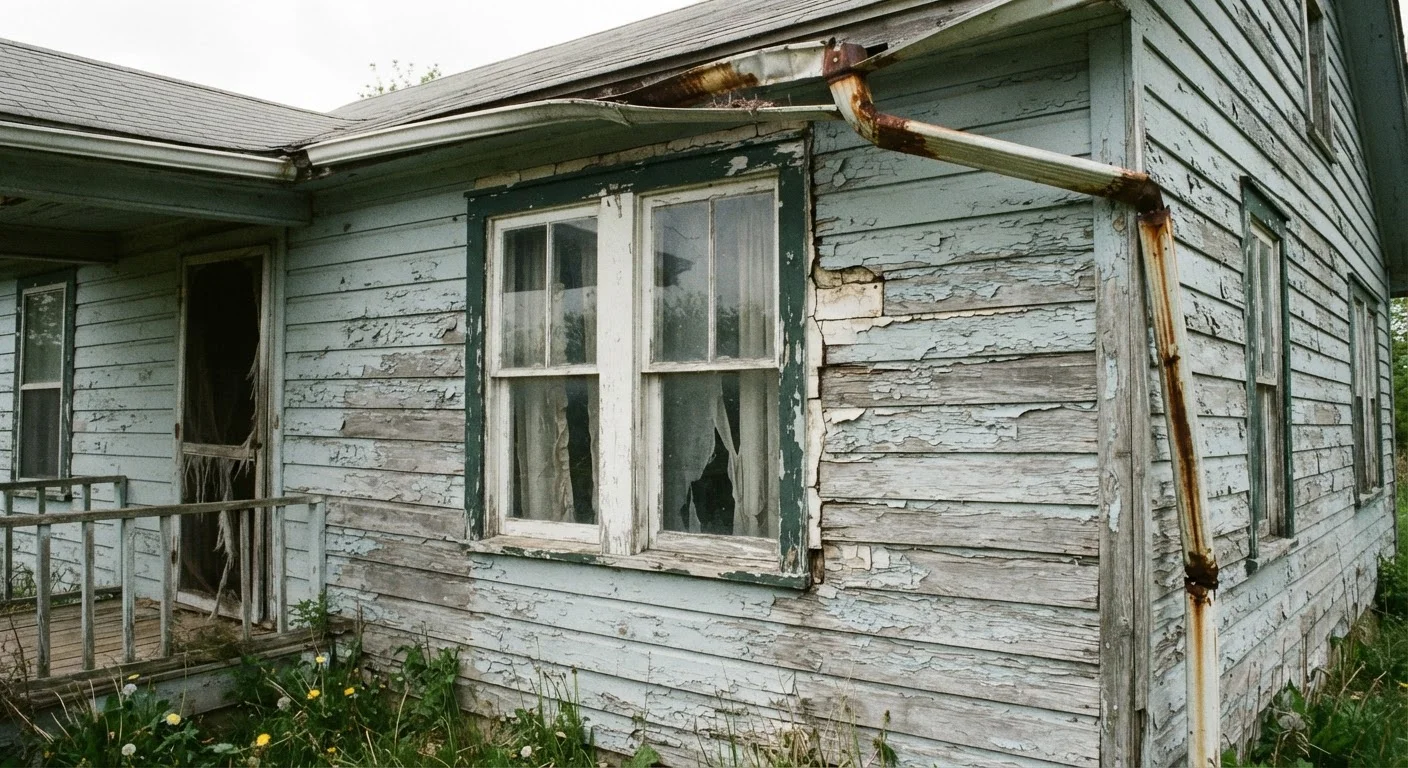
The Hidden Math of Skipping Routine Upkeep
Most homeowners understand, in principle, that homes need regular care. In practice, small tasks get pushed back - a leaky caulk joint here, a slow-draining gutter there - because they don't feel urgent. The problem is that home systems are interconnected. Water that enters through a failed roof flashing doesn't stay in one place; it migrates into sheathing, insulation, framing, and eventually drywall. What started as a $200 flashing repair can grow into a $6,000 remediation job within a single rainy season.
This compounding dynamic is what makes deferred maintenance fundamentally different from other delayed expenses. Unlike a deferred vacation or a postponed appliance upgrade, skipped maintenance doesn't simply pause - it actively accelerates the deterioration it was meant to prevent. Understanding that math is the first step toward breaking the cycle.
For a broader look at how home systems interact and what they require, the Home Systems hub offers a practical foundation.
Common Mistakes That Lead to Compounding Costs
The mistakes below aren't signs of carelessness - they reflect predictable patterns in how people approach homeownership. Recognizing them is the first step toward changing them.
Treating routine maintenance as optional until something breaks.
Why it happens: Homeowners often operate on a crisis-response model, addressing only what's visibly failing. Preventive tasks feel like spending money on nothing because nothing has gone wrong yet.
Ignoring early warning signs like minor leaks, soft spots, or slow drains.
Why it happens: Small symptoms are easy to rationalize as trivial. A slow drain or a faint water stain doesn't feel like an emergency, so it gets noted and forgotten.
Deferring HVAC servicing and filter replacements to save money short-term.
Why it happens: Servicing a functioning system feels unnecessary. Many homeowners skip annual tune-ups because the unit is still running and they're uncertain of the value.
Neglecting exterior caulking, flashing, and drainage around the foundation.
Why it happens: Exterior envelope maintenance is easy to overlook because it requires getting up close to surfaces most homeowners rarely inspect. Failures are often invisible until water has already entered.
Assuming a new home won't need significant maintenance for years.
Why it happens: New construction carries a perception of durability that can lead owners to under-invest in early upkeep. Builder warranties also create a sense that problems will be covered.
Once you've identified the mistakes most relevant to your situation, a structured plan makes them easier to address. The Annual Home Maintenance Calendar provides a season-by-season checklist that turns good intentions into consistent action.
What Deferred Maintenance Does to Your Home's Value
Beyond repair costs, neglected upkeep takes a measurable toll on what a home is worth. Buyers and their inspectors are trained to look for signs of deferred maintenance - stained ceilings, deteriorating trim, aging HVAC systems - and they use those findings to negotiate price reductions or walk away entirely.
Deferred Maintenance Can Derail a Home Sale
When sellers list a home with a backlog of deferred maintenance, buyers and their inspectors will find it. The resulting repair credits or price reductions frequently exceed what repairs would have cost during ownership. In some cases, significant findings lead buyers to terminate the contract entirely, forcing sellers back to square one.
Research from the real estate industry consistently shows that homes with visible deferred maintenance sell for less and spend longer on the market than comparable well-maintained properties. The discount buyers demand often exceeds what the repairs themselves would have cost. For a deeper look at the variables that move property values up or down, see What Actually Raises (and Lowers) Your Home's Value.
Building a Maintenance Budget That Actually Works
One of the most durable rules of thumb in homeownership is to budget between one and two percent of a home's value each year for maintenance and repairs. On a $350,000 home, that's $3,500 to $7,000 annually - an amount that surprises many first-time owners who aren't used to planning for it.
1-2%
Annual home value to budget for maintenance
A widely cited rule of thumb among housing and personal finance professionals recommends setting aside one to two percent of a home's purchase price each year for upkeep and repairs.
Up to 10x
Cost multiplier when repairs are deferred
Industry estimates suggest that allowing small maintenance failures - particularly water intrusion - to go unaddressed can multiply repair costs by several times compared to early intervention.
Home maintenance rarely appears in standard budget templates, which is why it's worth treating it as a dedicated savings category rather than an emergency fund afterthought. The article Spending Categories People Forget to Budget For explains why irregular, predictable expenses like maintenance tend to blindside even disciplined budgeters. Similarly, Savings Goals That Are Easy to Neglect makes the case for building a separate reserve for exactly these costs.
Finally, knowing which repairs to handle yourself and which require a licensed professional is critical - both for safety and for cost control. When to DIY and When to Hire a Pro for Home Repairs offers a practical decision framework for making that call.
The content on this site is for informational purposes only and is not a substitute for professional advice. Always consult a qualified professional for guidance specific to your situation.