

Option A
Solitude
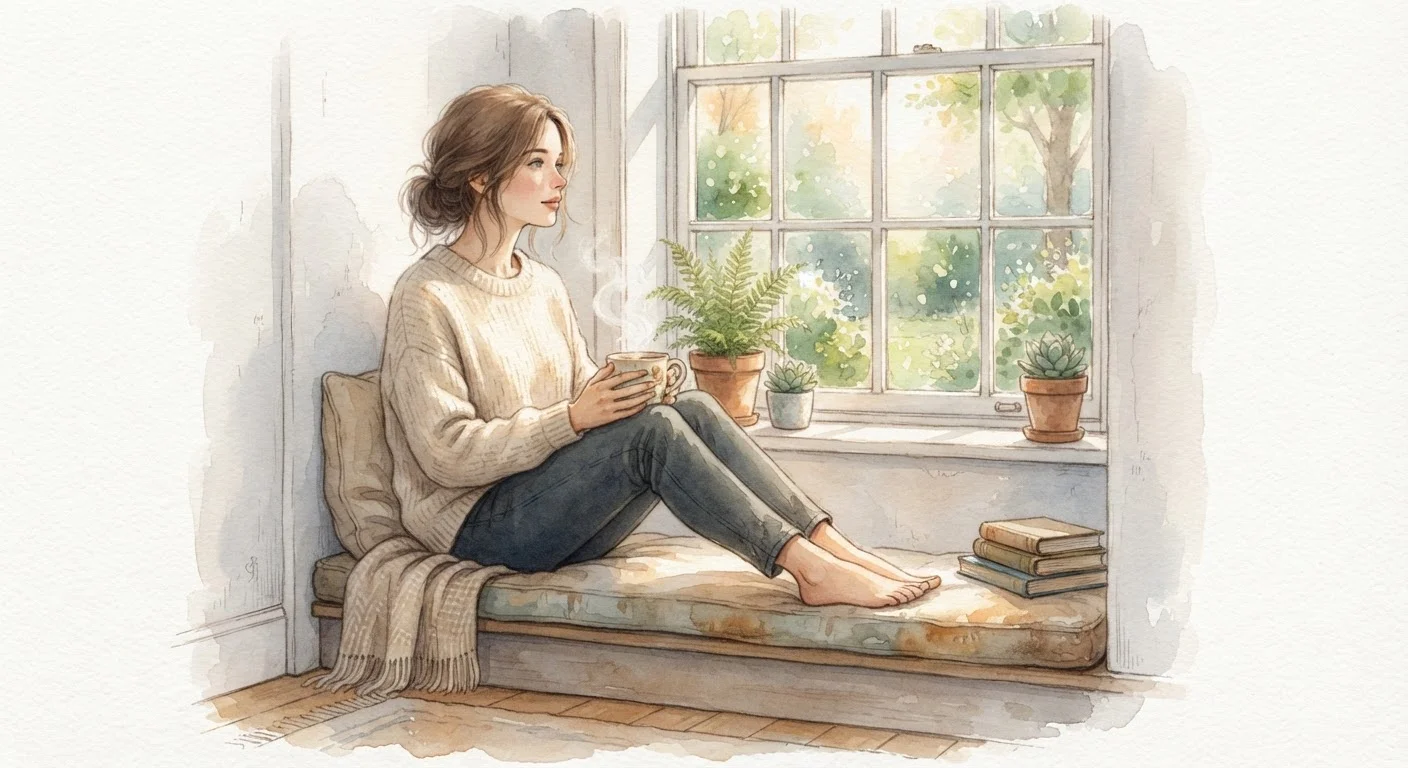
The intentional, restorative experience of being alone.
Best for: People seeking mental rest, creative space, or self-reflection without the distress of feeling disconnected.
Option B
Loneliness
The painful emotional gap between desired and actual social connection.
Best for: Understanding - not accepting - as a signal that your social needs may not currently be met.
The Core Distinction: Choice and Perception
Solitude and loneliness both involve being alone - but that is roughly where the similarity ends. The difference lies not in the external situation but in how a person experiences it internally.
Solitude is generally chosen and feels peaceful or productive. It is the quiet morning before the household wakes up, the solo walk that clears your head, the afternoon spent absorbed in a book. Psychologists often describe solitude as a state in which a person is comfortable with their own company and does not feel the absence of others as a deficit.
Loneliness, by contrast, is the perception of a gap between the social connection you want and the connection you actually have. It is not simply about being physically alone - research consistently shows that people can feel profoundly lonely in a crowd, at a party, or even within a relationship. What defines loneliness is that sense of emotional isolation and unmet need. For more on how social connection relates to wellbeing, see what research generally suggests about social health.
| Criterion | Solitude | Loneliness |
|---|---|---|
| Nature | Chosen and voluntary | Unwanted and distressing |
| Emotional tone | Peaceful, restorative | Painful, empty |
| Relationship to others | Connection available when desired | Perceived gap in connection |
| Mental health association | Linked to self-awareness and creativity | Linked to stress and poorer wellbeing when chronic |
| Physical context | Typically alone | Can occur in a crowd |
| Response needed | Protect and cultivate it | Acknowledge and address it |
Why the Distinction Matters for Mental Wellbeing
The psychological effects of solitude and loneliness tend to run in opposite directions. Voluntary solitude, when a person has a positive relationship with it, is associated in research with benefits such as improved self-awareness, reduced stress, and space for creative thinking. It gives the mind time to process experiences without the demands of social interaction.
Chronic loneliness, on the other hand, is linked to elevated stress hormones, disrupted sleep, and, over time, increased risk of both mental and physical health difficulties. This does not mean loneliness is a character flaw or a fixed state - it is better understood as a signal, much like hunger or pain, that something the mind and body need is not currently available. If you have noticed that persistent stress or disconnection is affecting your daily functioning, understanding how burnout differs from everyday stress may also offer useful context.
~1 in 3
Adults reporting frequent loneliness
Surveys conducted by health organizations in the U.S. and globally have consistently found that roughly one in three adults report feeling lonely frequently, though estimates vary by methodology and population.
Not the same
Loneliness vs. living alone
Research published in peer-reviewed psychology journals notes that living alone and feeling lonely are distinct variables - many people who live alone do not experience loneliness, while some who live with others do.
It is also worth noting that the same person can move between solitude and loneliness depending on life circumstances, mental state, and the quality of their relationships at any given time. Neither is a permanent identity.
How to Cultivate Healthy Solitude
For many people, being comfortable alone is not automatic - it is something developed over time. A few general approaches tend to support this:
- Give alone time a purpose. Solitude feels more satisfying when it involves something engaging - reflection, a creative pursuit, movement, or simply rest with intention rather than avoidance.
- Notice the quality of your thoughts. Solitude is most restorative when it does not spiral into rumination. Practices like journaling or mindfulness and meditation can help anchor the mind during alone time.
- Separate solitude from avoidance. Withdrawing from others because social situations feel overwhelming is different from choosing solitude. If alone time is primarily driven by anxiety or dread of connection, that is worth exploring - ideally with a qualified professional.
Solitude can also look different depending on your environment. Some people find it in urban spaces; others seek it in quieter natural settings. There is no single formula - what matters is that the time feels chosen and renewing rather than forced and isolating. If you are curious how different surroundings affect your sense of peace, exploring urban versus rural retreat settings offers a thoughtful lens.
Introversion, Extroversion, and Alone Time
People differ in how much alone time feels nourishing versus draining, and this is partly linked to personality traits like introversion and extroversion. Introverts often recharge through solitude, while extroverts may find too much alone time tipping toward loneliness more quickly. Neither tendency is a problem - awareness of your own pattern helps you calibrate how much social connection and solitude genuinely suits you. These are general tendencies, not rigid rules, and they can shift across different life stages.
When Loneliness Needs Attention
Occasional loneliness is a normal part of human experience - it can arise during life transitions, after a move, following a loss, or simply during a stretch of routine. The concern grows when loneliness becomes chronic and begins affecting day-to-day functioning, mood, or physical health.
Some general strategies that research associates with reducing loneliness include maintaining low-pressure, consistent contact with others (not necessarily large social events), engaging in community or group activities tied to shared interests, and being honest with trusted people about feeling disconnected rather than masking it. If loneliness feels persistent, overwhelming, or tied to depression or anxiety, speaking with a licensed mental health professional is a meaningful and worthwhile step.
This article is for general informational purposes only and is not a substitute for professional mental health advice, diagnosis, or treatment. If you are experiencing significant distress or persistent loneliness, please reach out to a qualified healthcare or mental health professional.
The content on this site is for informational purposes only and is not a substitute for professional advice. Always consult a qualified professional for guidance specific to your situation.