

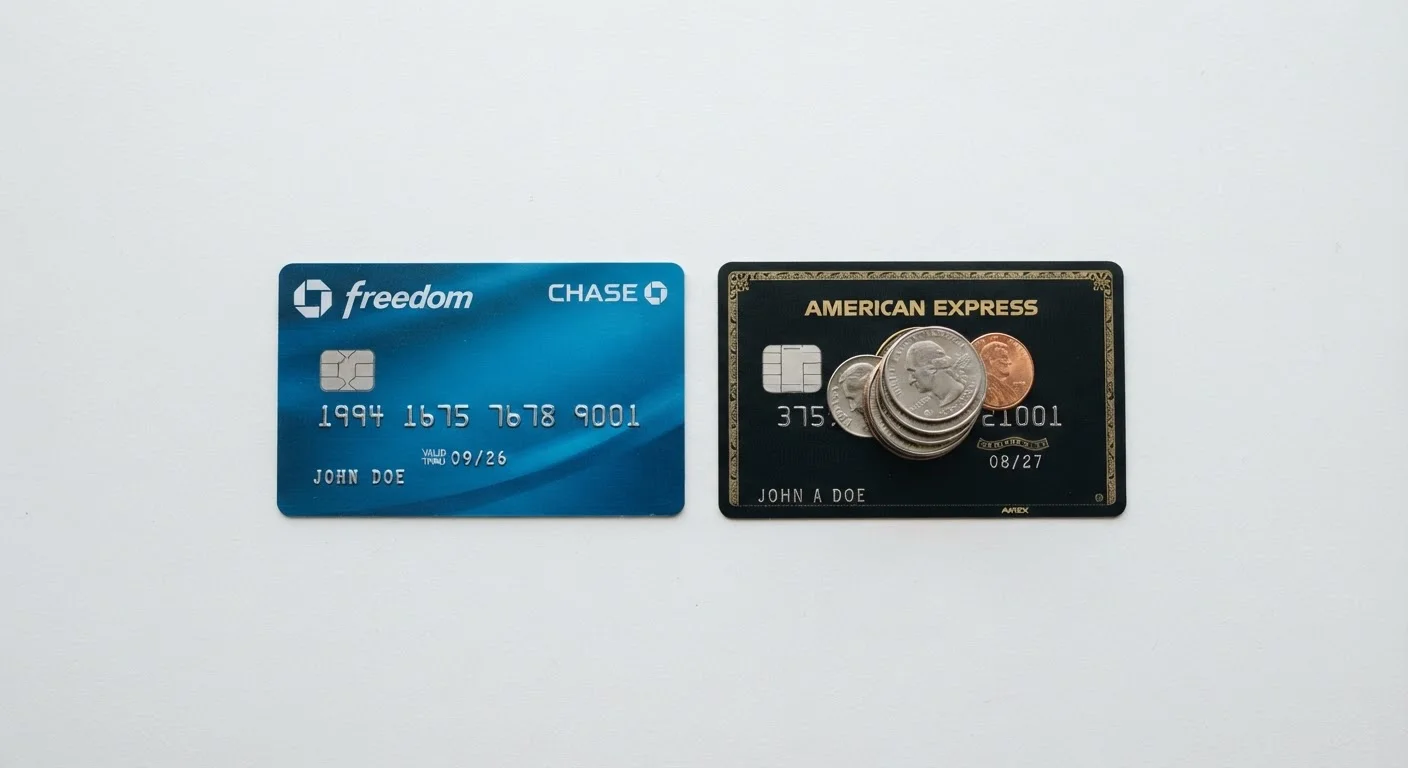
Option A
Secured Credit Card
The deposit-backed entry point to credit.
Best for: People with no credit history or a damaged credit score who need a structured way to demonstrate responsible borrowing.
Option B
Unsecured Credit Card
The standard card backed only by your creditworthiness.
Best for: Consumers with an established credit history who can qualify based on their credit profile alone.
What the Deposit Actually Does
When you open a secured credit card, you provide a cash deposit - usually ranging from $200 to $500, though amounts vary by card issuer. That deposit isn't a fee you lose, and it's not a prepaid balance you spend down. It's collateral.
Specifically, the deposit gives the card issuer a financial backstop. If you stop making payments, they can apply your deposit to the outstanding balance rather than absorbing the loss. This is what makes secured cards accessible to people who would otherwise be declined: the lender's risk is significantly reduced because your money is already on hand.
Your credit limit is typically set equal to your deposit amount. So a $300 deposit usually means a $300 credit limit. The deposit sits in a separate account - you can't spend it - and you still owe any charges you make to the card. Think of it as a promise held in reserve, not a prepaid account.
When you close the account in good standing (or when some issuers upgrade you to an unsecured card), the deposit is returned to you. This is meaningfully different from a fee - your money comes back.
The Deposit Is Not a Payment
A common misconception is that the secured card deposit works like a prepaid balance - that you're spending your own money. That's not how it works. The deposit is held separately as collateral and remains untouched as long as the account is in good standing. You still charge purchases to the card and owe a monthly payment just like any other credit card. If the account closes without issues, the deposit comes back to you.
How Unsecured Cards Work - and Why They're Harder to Get
An unsecured credit card doesn't require any deposit. Instead, the issuer evaluates your application based on your creditworthiness - primarily your credit score, payment history, income, and existing debt load. If the lender decides you're a manageable risk, they extend a credit limit with no money held as collateral.
This is the model most people are familiar with. The lender essentially takes you at your word, backed by your credit report. If you default, their primary recourse is reporting the missed payments to credit bureaus, pursuing collections, or taking legal action - not drawing on a deposit.
Because unsecured cards carry more lender risk, issuers typically reserve them for consumers with at least some established credit history. That creates a catch-22 for people who are new to credit: you often need credit to get credit. Secured cards exist largely to solve this problem.
| Criterion | Secured Card | Unsecured Card |
|---|---|---|
| Deposit required | Yes - typically equals credit limit | No deposit needed |
| Approval basis | Deposit reduces lender risk | Credit score and income |
| Credit limit | Usually matches deposit amount | Set by issuer based on profile |
| Reports to credit bureaus | Yes - same as unsecured | Yes - same as secured |
| Typical APR | Often higher than average | Varies widely by creditworthiness |
| Fee structure | May include annual or monthly fees | Varies; some have no annual fee |
| Deposit returned | Yes, when account closes in good standing | Not applicable |
| Best for | No credit or rebuilding credit | Established credit history |
Credit Reporting: Where Both Cards Work the Same Way
Here's the part that matters most for anyone focused on building or repairing credit: both secured and unsecured cards report to the major credit bureaus the same way. Payment history, credit utilization, account age - all of it lands on your credit report regardless of which type you hold.
That means a secured card used responsibly - low balances, on-time payments every month - generates the same positive credit signals as an unsecured card used the same way. The deposit is invisible to your credit report. What shows up is your behavior.
This is why secured cards are a legitimate credit-building tool and not just a consolation prize. For a deeper look at the specific habits that move the needle, see credit-building habits that hold up over time.
One practical note: carrying a balance on either card type means paying interest, and secured cards often carry relatively high interest rates. Paying your statement balance in full each month avoids interest entirely and keeps credit utilization low - two habits that support a stronger credit profile. For more on how revolving balances can compound quickly, see what makes credit card debt different.
Fees, Terms, and What to Watch For
Secured cards sometimes carry annual fees, monthly maintenance fees, or processing fees that unsecured cards aimed at creditworthy consumers don't. These aren't universal, but they're common enough to read the terms carefully before opening any account. Fees reduce the effective value of using the card as a credit-building tool.
Interest rates (APR) on secured cards also tend to run higher than rates on standard unsecured cards. This reinforces the importance of paying in full monthly - you're using the card for the credit-bureau reporting benefit, not as a borrowing vehicle.
Some secured card issuers will review your account periodically and offer to upgrade you to an unsecured product, returning your deposit automatically. Others require you to close the secured account and apply for a new one. Either way, the transition is a recognized milestone - a sign your credit profile has developed enough to qualify without collateral.
If you're also evaluating where to keep the cash that would serve as a deposit, understanding how different account types work is useful groundwork. See checking vs. savings accounts for how these differ in practice.
This article is for general informational and educational purposes only. It does not constitute personalized financial or credit advice. Consult a qualified financial professional for guidance specific to your situation.
The content on this site is for informational purposes only and is not a substitute for professional advice. Always consult a qualified professional for guidance specific to your situation.