

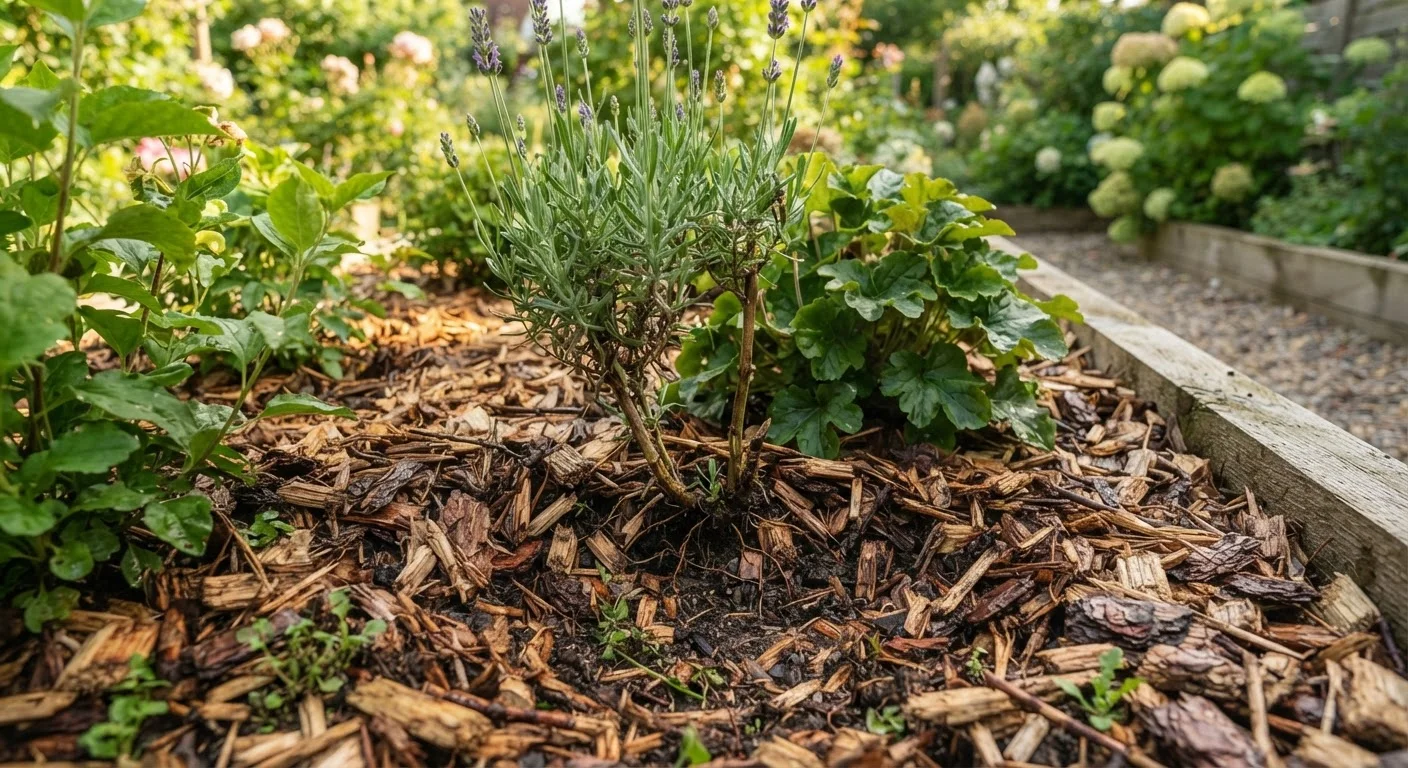
Why Mulch Matters in Any Garden
Mulch is one of the highest-return habits a home gardener can adopt. A properly applied layer slows evaporation from soil, which means less frequent watering and more resilience during dry spells. It also moderates soil temperature - keeping roots cooler in summer and insulating them against early frost in fall. And it suppresses weeds by blocking the light weed seeds need to germinate.
Organic mulches - shredded bark, wood chips, straw, shredded leaves, and compost - offer a bonus that inorganic options like gravel and landscape fabric can't match: they decompose. As they break down, they feed soil microbes and gradually improve soil structure. For gardeners already composting kitchen and yard scraps, finished compost used as mulch does double duty - conditioning the soil while protecting the surface.
The case for mulching is strong, but it comes with conditions. The benefits disappear quickly when mulch is applied incorrectly, and the damage from common mistakes can take seasons to undo.
Getting the Depth Right
Depth is where most mulching errors begin. The widely recommended range is two to three inches for most garden beds. That's enough to conserve moisture and suppress weeds without starving roots of oxygen or creating a habitat for pests and fungal problems.
Apply mulch at a depth of two to three inches across garden beds.
This depth is sufficient to retain soil moisture and suppress most annual weeds without restricting oxygen flow to roots. Going deeper doesn't improve results - it creates problems including fungal growth and root suffocation.
Keep mulch pulled back two to four inches from plant stems, shrubs, and tree trunks.
Direct contact between mulch and woody tissue traps moisture against bark, creating conditions for rot, cankers, and pest damage. This is especially critical for trees, where the damage can develop slowly over years before it's visible.
Time your mulch application to work with - not against - soil temperature.
In spring, mulching too early delays soil warming, which slows seed germination and root establishment. In fall, mulching at the right time insulates roots through winter without trapping warmth that prompts vulnerable new growth before frost.
Check and refresh existing mulch rather than simply piling on more each year.
Accumulated layers of compacted, partially decomposed mulch can become hydrophobic - actually repelling water rather than retaining it. Breaking up the old layer before topping up maintains healthy soil contact and drainage.
Match mulch type to the specific needs of your planting area.
Coarse wood chips are better for airflow around trees; fine-textured shredded leaves break down faster and suit vegetable beds. Using the wrong texture or material can affect drainage, soil pH, and how quickly nutrients become available.
Soil type matters here too. Clay soils drain slowly on their own; thick mulch compounds the problem by sealing in excess moisture. Sandy soils dry out faster and can tolerate a slightly deeper layer. When you're unsure, err toward two inches and observe how your plants respond over a few weeks.
Timing also affects how beneficial mulch is. In spring, wait until the soil has warmed before mulching new beds - laying it too early traps cold and slows germination. In fall, mulch after the ground has cooled slightly to protect roots through winter without encouraging late-season growth that a frost will kill.
Common Mulching Mistakes - and How to Avoid Them
The most consequential mistake in residential landscaping is volcano mulching - piling mulch in a deep cone against a tree trunk. It looks tidy, but it keeps bark persistently moist, which leads to rot, creates cover for rodents that gnaw on bark, and can even redirect roots upward into the mulch layer rather than downward into stable soil. Pull mulch back so there's a clear gap of two to four inches around the base of any tree or shrub.
Volcano Mulching: A Widespread but Preventable Problem
Deep mulch mounded against tree trunks is common in residential neighborhoods, but arborists consistently flag it as harmful. It keeps bark wet year-round, which invites fungal decay and can attract rodents. The fix is simple: spread mulch in a flat, even layer and leave a visible collar of bare soil at the base. Trees mulched correctly - wide and shallow - establish better root systems and have fewer disease problems over time.
Over-mulching beds is the garden equivalent of overwatering. Layers thicker than four inches can create an anaerobic (oxygen-deprived) environment at the soil surface, slowing the microbial activity that healthy plant roots depend on. This connects to a broader pattern of well-intentioned garden care that backfires - for more on that, see our roundup of garden myths that quietly harm plants.
Another overlooked mistake: repiling fresh mulch on top of old mulch year after year without checking what's underneath. Compacted old mulch can form a water-repellent mat. If the existing layer is still more than an inch thick, rake it to break it up before adding more.
Choosing the Right Mulch for Your Beds
Not every mulch suits every situation. Here's a practical breakdown:
- Shredded hardwood bark - durable, slow to decompose, good for ornamental beds and around shrubs.
- Wood chips - excellent for pathways and around trees; coarser texture allows good airflow.
- Shredded leaves - a free option that breaks down quickly into rich organic matter, ideal for vegetable gardens.
- Straw - light and easy to apply around vegetables; keep it weed-seed-free.
- Pine needles - long-lasting and attractive, slightly acidifying over time, well-suited for acid-loving plants.
Inorganic options like gravel or crushed stone have a place in low-maintenance or drought-tolerant landscapes, but they don't improve soil and can complicate future planting. Landscape fabric paired with mulch often promises permanent weed suppression but typically fails within a few seasons as organic matter accumulates on top of the fabric and weeds root into it.
Whatever mulch type you choose, sourcing matters. Municipal wood chip programs (often free through local utilities or public works departments) are a practical option. Avoid dyed mulch if you're uncertain about the wood source, and always check that bulk mulch hasn't been sourced from diseased trees.
The content on this site is for informational purposes only and is not a substitute for professional advice. Always consult a qualified professional for guidance specific to your situation.