

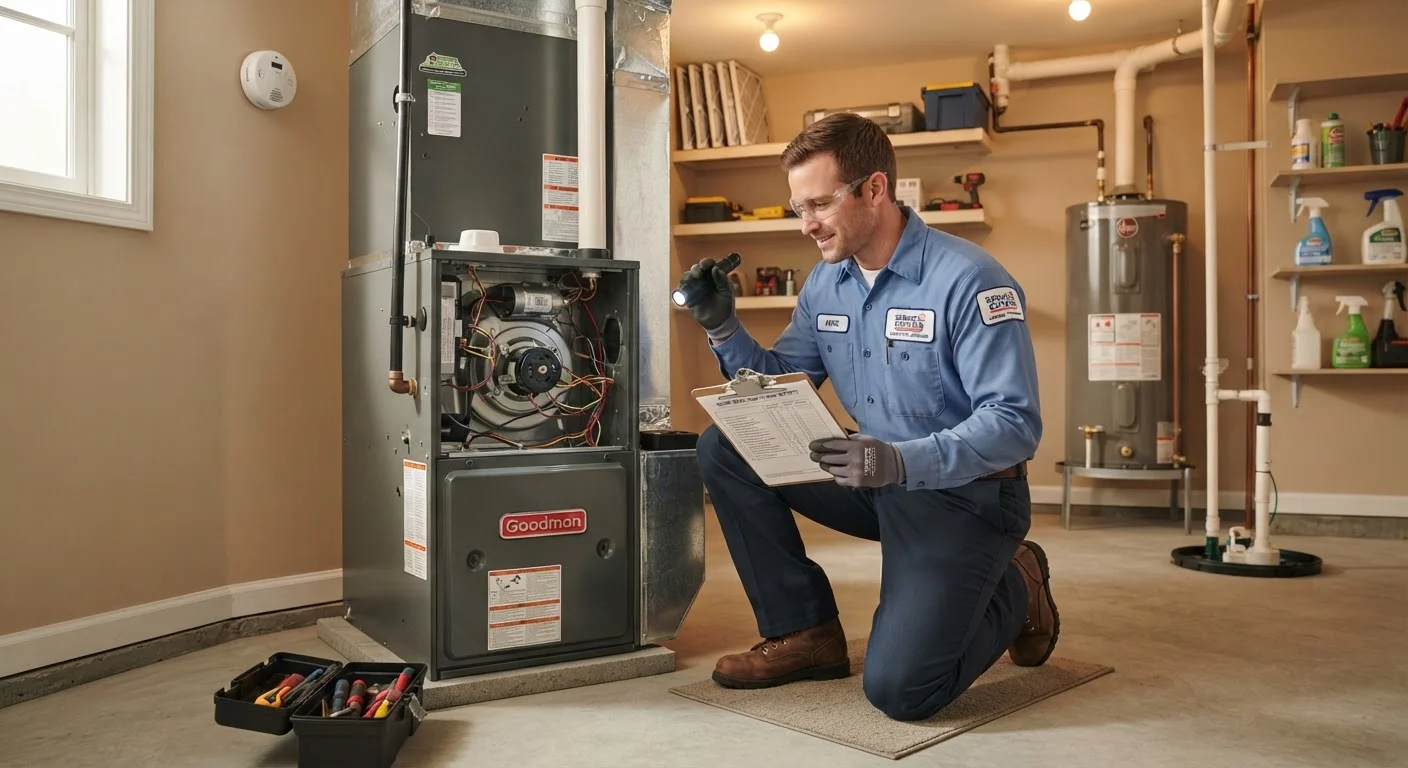
Why Preparation Matters Before Any Home Systems Inspection
Scheduling a professional inspection of your HVAC, plumbing, or electrical systems is one of the most responsible things a homeowner can do - whether you're preparing to sell, responding to a persistent problem, or simply maintaining long-term system health. But walking in unprepared can lead to avoidable confusion, missed information, and unnecessary follow-up visits.
Inspections are typically conducted by licensed professionals whose job is to evaluate the condition, safety, and code compliance of your systems at a given point in time. They are not the same as contractors who perform repairs, though their findings will shape any work you eventually authorize. Understanding this distinction matters: an inspector's role is to observe and document, not to fix.
For a broader view of ongoing home system care, our seasonal home systems maintenance checklist walks through what to monitor room by room throughout the year.
What you will need
What Each Type of Inspection Actually Covers
HVAC Inspections
A licensed HVAC technician or inspector will typically assess your heating and cooling equipment for mechanical condition, refrigerant levels, airflow, thermostat function, filter status, and signs of corrosion or wear. They'll also check ductwork for leaks or blockages and evaluate ventilation around combustion appliances for carbon monoxide risk. Expect the inspector to run the system through heating and cooling cycles.
Plumbing Inspections
Plumbing inspectors examine visible supply and drain lines for leaks, corrosion, or improper slope. They assess water pressure, water heater condition and age, valve operation, and signs of past water damage or mold. In some cases, a camera inspection of drain lines may be recommended separately. They'll also note whether materials (such as older galvanized pipe or polybutylene) present known long-term concerns.
Electrical Inspections
An electrical inspection focuses on the service panel, wiring type and condition, grounding, GFCI and AFCI protection in applicable areas, outlet and switch function, and any visible code violations. Inspectors look for DIY wiring, double-tapped breakers, or outdated components like knob-and-tube or aluminum wiring that may pose safety or insurance challenges.
Appliance age and installation records
Helps inspectors assess remaining service life and verify whether equipment was professionally installed.
Prior inspection reports
Gives inspectors a baseline to compare current conditions against past findings.
Permit documentation
Confirms whether past system work was reviewed and approved by local building authorities.
Recent utility bills
Can reveal patterns of inefficiency that point to underlying HVAC or electrical issues.
How to Prepare Your Home and Your Documents
The quality of your inspection depends partly on what you make accessible. Clear a path to your electrical panel, water heater, HVAC unit, and any crawl space or attic access points. Inspectors cannot evaluate what they cannot safely reach.
Documentation is equally important. Gather the following before the appointment:
- Any permits pulled for previous system work or renovations
- Appliance manuals, warranty cards, and installation dates
- Records of past service calls or repairs
- Utility bills, which can reveal patterns suggesting system inefficiency
- Any prior inspection reports if the home was recently purchased
Permit history matters because it tells inspectors whether past work was reviewed and approved by local authorities. Unpermitted work - even if it looks fine - may not meet current code, which affects both safety and your ability to sell or insure the home. If you're preparing to sell, our guide on reading a home inspection report without panicking can help you interpret what buyers' inspectors are likely to focus on.
Plan Around Inspector Availability
Licensed specialists - particularly electricians and plumbers who also perform inspections - can have limited availability in busy seasons. Schedule at least two to three weeks in advance when possible. Morning appointments often allow more time for thorough questions and walkthroughs before the inspector's day fills up.
Understanding Inspection Findings and Next Steps
After the inspection, you'll receive a written report detailing the inspector's observations. Most reports organize findings by severity - commonly ranging from safety hazards requiring prompt attention to maintenance recommendations and informational notes about system age or condition.
A critical point: not every flagged item is an emergency, and not every repair is mandatory. Some findings represent code changes adopted after your home was built - these are often noted for awareness rather than required remediation, unless you're making permitted modifications. Others reflect deferred maintenance that can be scheduled and budgeted over time.
When reviewing findings, ask yourself three questions:
- Does this create a safety risk for anyone in the home?
- Could this worsen significantly if left unaddressed?
- Will this affect my home's insurability, sale, or financing?
For items that fall into any of these categories, get written estimates from licensed contractors before committing to repairs. You're not obligated to use the inspector's affiliated contractors, and reviewing any service agreement carefully before signing is always good practice.
Regular inspections tie directly into the broader discipline of homeownership. The homeownership basics hub and our home improvement guides offer additional context for prioritizing system upgrades over time. For homeowners dealing with related structural concerns, our article on protecting your home against common structural problems addresses how water intrusion and foundation issues often intersect with plumbing and drainage findings.
This article is for general informational purposes only. Home systems regulations, licensing requirements, and code standards vary by state and municipality. Always verify local requirements and consult licensed professionals before initiating any inspection or repair work.
The content on this site is for informational purposes only and is not a substitute for professional advice. Always consult a qualified professional for guidance specific to your situation.