

Why Categories Matter in a Budget
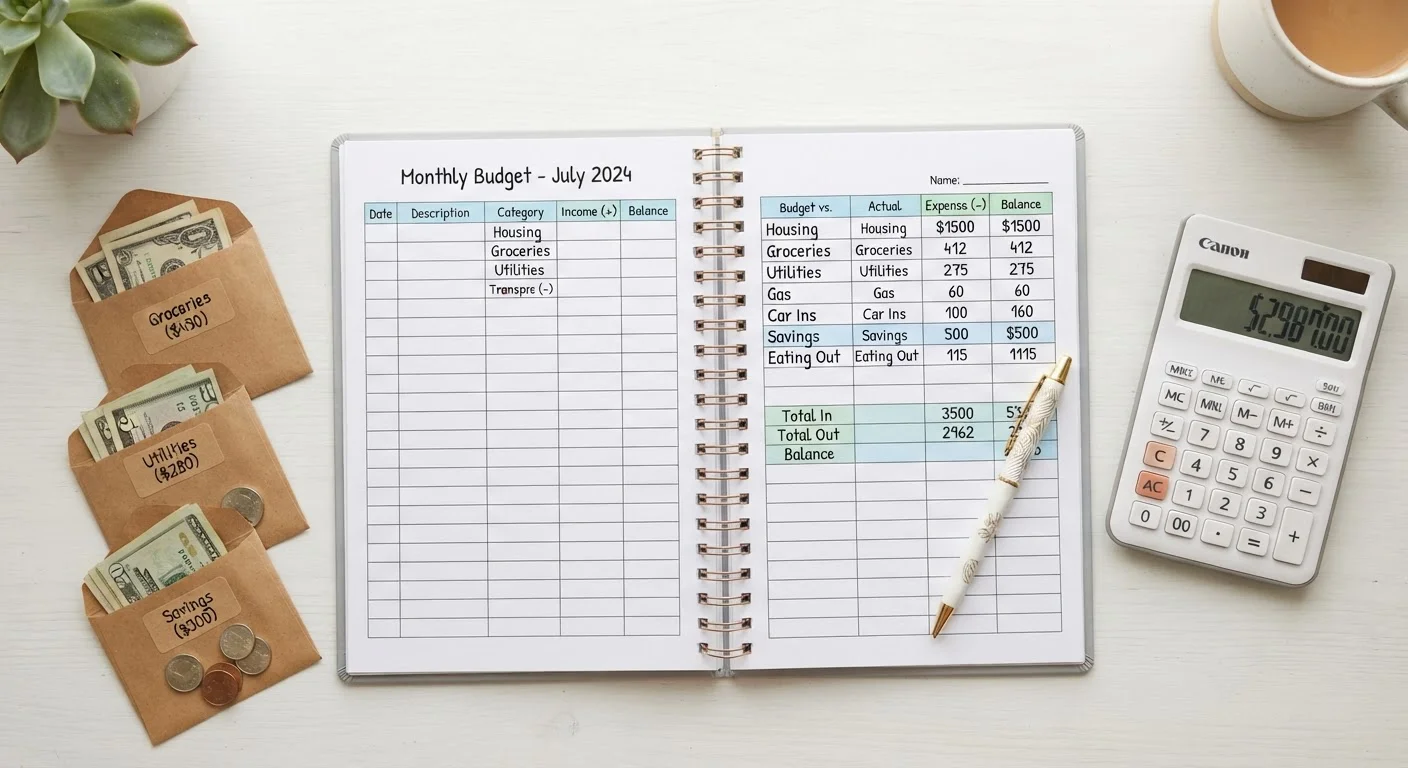
A budget without categories is just a number. Categories are what turn a vague intention to "spend less" into a concrete plan you can actually track. By assigning every dollar to a named purpose, you can see exactly where your money goes - and make deliberate choices about whether that reflects your priorities.
Think of categories as buckets. Before the month begins, you decide how much goes into each bucket. When the bucket is empty, you stop spending in that area - or you consciously move money from another bucket. That visibility is what makes budgeting work in practice.
For a broader look at how this fits into the full planning process, the complete beginner-to-confident budgeting guide covers how categories connect to income tracking and monthly adjustments.
The Core Budget Categories
Most personal budgets share a common set of categories. Here is what typically belongs in each one:
Housing
Rent or mortgage payment, renters or homeowners insurance, property taxes (if not escrowed), and HOA fees. Do not include utilities here - those get their own category.
Utilities & Bills
Electricity, gas, water, trash, internet, and phone service. These are recurring, usually predictable, and non-negotiable for daily life.
Food
Split this into groceries (food bought to prepare at home) and dining out (restaurants, takeout, coffee shops). Keeping them separate reveals spending patterns most people underestimate.
Transportation
Car payment, auto insurance, fuel, parking, tolls, and routine maintenance. If you use public transit, that goes here instead. Car registration and inspections fit here too - though many people forget them until they're due. See our guide on easily missed expenses for a fuller list of infrequent costs worth planning for.
Health
Health insurance premiums (if paid out of pocket), prescription costs, co-pays, dental, and vision. Budget a modest buffer for unexpected medical expenses even if you rarely use it.
Debt Payments
Student loans, credit card minimum payments, personal loans, and any other structured repayment obligations. This is separate from housing and auto payments, which already have their own categories.
Savings
Emergency fund contributions, retirement accounts, and goal-based savings (vacation, down payment, etc.). Many budgeters treat savings as a fixed expense - paid first, not whatever is left over. Your emergency fund is typically the first savings priority before other goals.
Personal & Lifestyle
Clothing, personal care products, gym memberships, subscriptions, and entertainment. This category is highly individual - the point is to name it and set a number, not to eliminate spending.
Miscellaneous
A small catch-all for irregular or hard-to-predict spending. Keep it intentionally small; if a type of spending recurs regularly, it deserves its own category.
Fixed expense
A cost that stays the same each month, such as rent or a loan payment. Fixed expenses are the easiest to budget because the amount is predictable.
Variable expense
A cost that fluctuates month to month, like groceries or gas. Variable expenses require more active tracking since the amount changes.
Discretionary spending
Money spent on non-essential wants - dining out, entertainment, hobbies. This is the most flexible part of a budget and the first place most people adjust when income drops.
Sinking fund
A savings subcategory where you set aside a small amount each month for a predictable future expense, such as a car repair or annual insurance premium.
Net income
Take-home pay after taxes and deductions are withheld. Budgets should be built on net income, not gross (pre-tax) salary.
Putting Categories Into a Framework
Once you have your categories named, you need a way to allocate percentages of your income across them. The 50/30/20 rule is one widely used starting point: roughly 50% of take-home pay to needs (housing, utilities, groceries, minimum debt payments), 30% to wants (dining, entertainment, subscriptions), and 20% to savings and debt payoff beyond minimums.
Different frameworks assign categories differently. Comparing budgeting approaches side by side can help you decide which structure fits your income pattern and goals.
Whatever framework you use, revisit your categories each month. Spending shifts - a new insurance plan, a move, a pay raise - and your category amounts should reflect reality, not what you hoped would be true. The monthly budget audit checklist is a practical tool for doing exactly that.
This article is for general informational purposes only and does not constitute personalized financial advice. Consult a qualified financial professional for guidance specific to your situation.
The content on this site is for informational purposes only and is not a substitute for professional advice. Always consult a qualified professional for guidance specific to your situation.