

What a Pre-Purchase Inspection Actually Involves
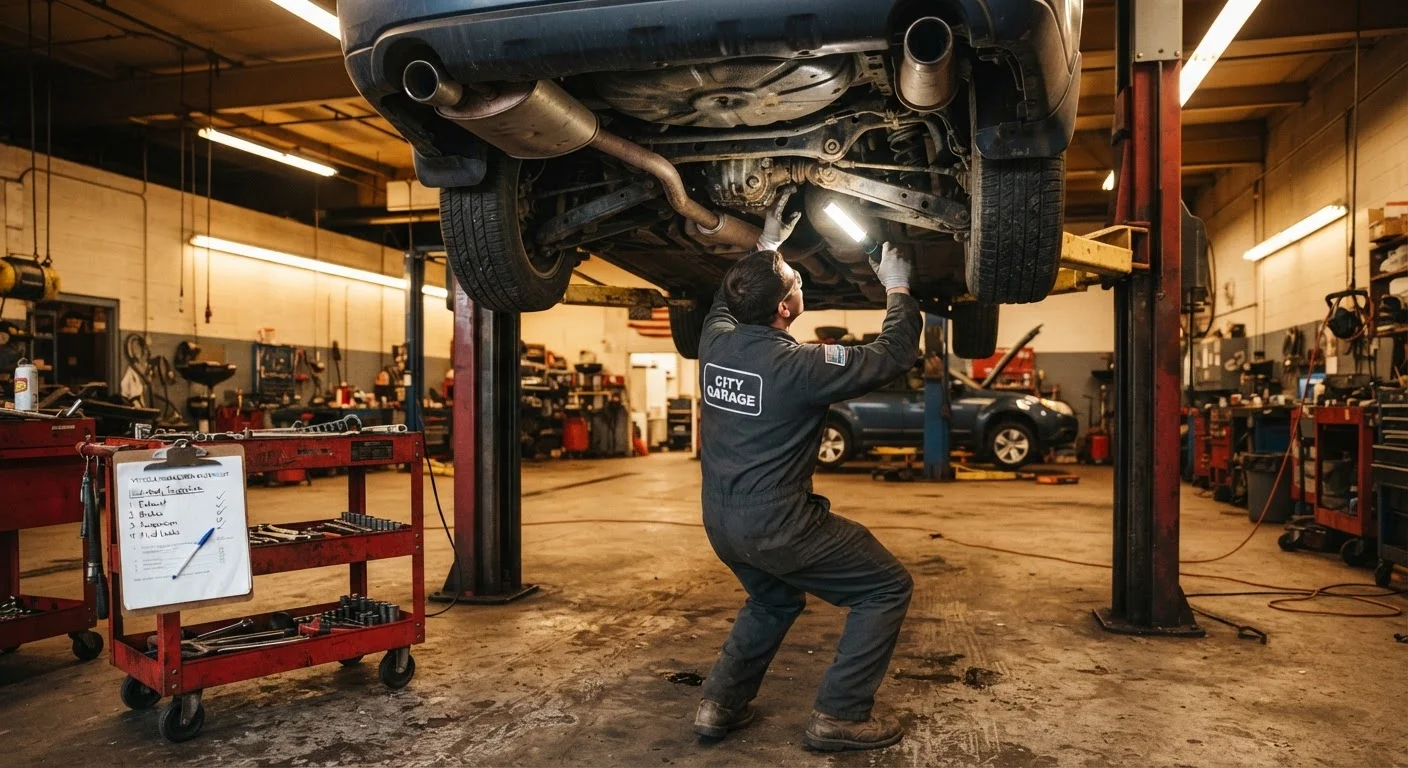
A pre-purchase inspection is more than a quick look under the hood. A qualified mechanic systematically works through the vehicle's major systems, typically spending one to two hours on the job. Here's what a thorough PPI generally covers:
- Engine and drivetrain: Checking for leaks, worn belts and hoses, unusual noises, and signs of overheating or poor maintenance.
- Transmission: Testing shift quality and looking for fluid leaks or burnt fluid - a sign of internal wear.
- Brakes and suspension: Measuring brake pad and rotor condition, checking for worn shocks, struts, ball joints, and tie rods.
- Tires: Assessing tread depth and wear patterns, which can reveal alignment or suspension problems.
- Undercarriage: Looking for rust, frame damage, bent components, or evidence of a prior collision repair.
- Electrical systems: Testing lights, windows, HVAC, and scanning for diagnostic trouble codes with an OBD-II reader.
- Body and paint: Checking panel gaps and paint variations that suggest bodywork after an accident.
- Fluids: Inspecting coolant, oil, brake fluid, and power steering fluid for condition and level.
The mechanic typically produces a written report - sometimes with photos - explaining what they found and flagging items that need attention soon versus those to monitor over time.
How to Arrange a PPI - and When to Walk Away
Setting up a pre-purchase inspection is straightforward. Once you've identified a vehicle you're seriously considering, contact an independent mechanic or shop to schedule a time. You'll need the seller's cooperation to bring - or have the seller drive - the car to the shop.
Choose Your Mechanic Before You Need One
Don't scramble to find an inspector after you've fallen in love with a car. Identify a trusted, independent mechanic - ideally ASE-certified - before you start shopping seriously. That way, when you find a vehicle worth pursuing, you can schedule quickly without pressure from the seller to skip the step.
Before scheduling the inspection, it's worth doing some homework on the vehicle itself. Asking the seller the right questions upfront - about service records, accident history, and known issues - can help you decide whether a full PPI is worth pursuing at all.
A seller who refuses a PPI is a meaningful red flag. Legitimate sellers - whether private individuals or dealerships - understand that buyers want independent verification. Resistance to an inspection, especially on a higher-priced vehicle, often signals something the seller prefers you not discover. It doesn't automatically mean the car is a lemon, but it should make you pause.
For certified pre-owned vehicles, the dealership's inspection is part of the CPO process - but even then, some buyers choose to have their own mechanic take a look. Understanding what CPO status actually covers helps you decide how much additional verification you need.
Using Inspection Results to Your Advantage
A PPI report isn't just a pass/fail document - it's a negotiating tool. If the mechanic identifies repairs the car will need, you have several options:
- Negotiate the price down by the estimated cost of the repairs.
- Ask the seller to fix specific issues before you finalize the deal.
- Walk away entirely if the problems are severe enough to make the car financially risky.
$100-$200
Typical cost of a pre-purchase inspection
Independent mechanics and auto shops generally charge in this range, though prices vary by region and inspection depth.
1-2 hrs
Time a thorough PPI typically takes
A comprehensive inspection covering mechanical, safety, and body systems usually requires at least an hour of shop time.
77%
Used cars with at least one needed repair
According to a CarMD analysis of pre-purchase inspections, the majority of used vehicles inspected required at least one repair or maintenance item.
Minor findings - worn wiper blades, slightly low tire tread, an old cabin air filter - are normal in used vehicles and usually not cause for alarm. The items to take seriously are deferred maintenance on critical systems, evidence of hidden accident damage, or signs of fluid leaks that point to deeper mechanical problems.
Once you've worked through the inspection process and settled on a vehicle, reviewing the purchase terms carefully before signing is the logical next step. After the sale, keeping up with routine upkeep through the Car Maintenance hub protects the investment you've just verified. And once you own the car, understanding your auto insurance options ensures you're covered from day one.
This article is for general informational purposes only and does not constitute professional automotive, legal, or financial advice. Consult a qualified mechanic for guidance specific to any vehicle you are considering purchasing.
Frequently Asked Questions
Most independent mechanics charge between $100 and $200 for a thorough PPI. The price varies by location, shop type, and how comprehensive the inspection is. Given that even a single overlooked repair - like a failing transmission - can cost thousands, the inspection fee is generally considered worthwhile.
Yes. A private seller has no obligation to allow an inspection, but most legitimate sellers will agree to one. If a private seller refuses, that's a strong signal to walk away. You arrange the appointment, bring the car to the shop, and pay the fee yourself.
No - they serve different purposes. A vehicle history report (such as those from Carfax or AutoCheck) documents past ownership, reported accidents, and title issues. A PPI assesses the car's current physical condition. Ideally, you use both before committing to a purchase.
Findings don't automatically mean you should walk away. Minor issues are common in used vehicles. You can use the report to negotiate a lower price, ask the seller to make repairs, or - if problems are severe - decline the purchase without losing anything except the inspection fee.
Choose an independent mechanic or shop with no connection to the seller or dealership. An ASE-certified technician is a reliable choice. Avoid having the selling dealer perform the inspection - that defeats the purpose of an independent review.
No inspection is exhaustive. A PPI identifies visible and testable issues at a point in time, but intermittent problems or deeply internal failures may not surface during a standard exam. Think of it as significantly reducing your risk, not eliminating it entirely.
The content on this site is for informational purposes only and is not a substitute for professional advice. Always consult a qualified professional for guidance specific to your situation.