

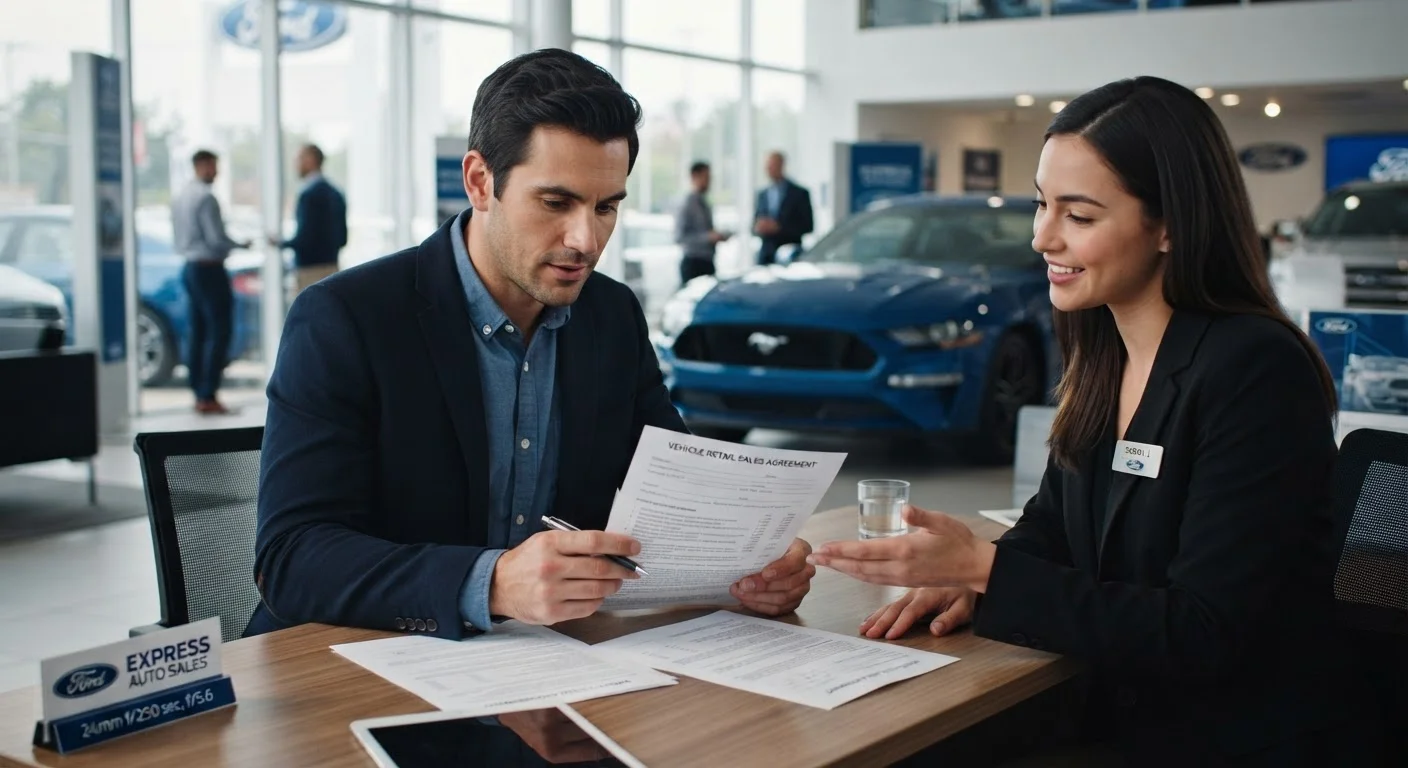
Why Buyers Usually Feel Outmatched
Dealerships negotiate car prices every day. Most buyers do it once every several years. That experience gap is real, but it's not insurmountable - the right preparation levels the playing field considerably.
The fundamental issue is that buyers often walk in focused on monthly payment while dealers think in terms of total profit across the deal. When those two frameworks don't align, buyers can win on payment and lose on price. Understanding how dealership profitability works - including front-end profit on the vehicle price, back-end profit on financing and add-ons, and trade-in margin - helps you see the full picture before you sit down.
If you're still deciding between new and used, understanding the real trade-offs between new and used cars is a useful starting point before you negotiate anything.
Do Your Homework Before You Set Foot in a Dealership
Price research is your most powerful tool. For new cars, the invoice price - what the dealer paid the manufacturer - is publicly available through sources like Edmunds or Consumer Reports. The sticker price (MSRP) is rarely what you should pay; the invoice price is a more realistic starting reference, though actual transaction prices vary by market and demand.
For used vehicles, check market value using multiple pricing tools and look at comparable listings in your area. Prices vary by mileage, condition, location, and how long the car has sat on the lot.
Also get pre-approved for financing through your bank or credit union before visiting. This gives you a concrete rate to compare against whatever the dealer offers, and it signals that you're a serious buyer with options. Understanding the trade-offs of dealer financing before you sign is worth your time.
Keeping the Negotiation Clean
One of the most common negotiation mistakes is allowing multiple financial variables to be combined too early. Dealers will often ask, "What do you want your monthly payment to be?" early in the conversation. Answering that question before you've agreed on a purchase price hands them significant control over the structure of the deal.
Instead, establish the out-the-door price - the total cost including taxes, fees, and any required add-ons - as your anchor point. Only after that number is settled should you discuss financing terms or trade-in value.
Trade-ins especially deserve their own conversation. If you mention a trade-in at the start, dealers can adjust numbers across the deal in ways that are hard to track. Common trade-in timing mistakes can quietly cost buyers more than they expect, so it's worth knowing what to avoid.
Using Alternatives to Create Real Leverage
The buyer with the most leverage is the one who genuinely doesn't need to close the deal today. That's not a bluff - it's a mindset that comes from having real alternatives lined up before you walk in.
If you've done your research on multiple vehicles and dealerships, you can legitimately say you're comparing offers. Dealers know that a buyer who has another appointment is a buyer they may lose. A competing offer from a different dealership - even on a similar model - is one of the most effective negotiating tools available to everyday buyers.
Similarly, knowing what questions to ask before you even test drive a car keeps you from getting emotionally invested before the numbers work. Asking the right questions before a test drive protects you from surprises that can cloud your judgment at the negotiating table.
Market Conditions Affect How Much Room Exists
In high-demand markets or during inventory shortages, dealers may have little incentive to negotiate below MSRP - and in some cases vehicles sell above sticker. Knowing current local market conditions helps you set realistic expectations. In a balanced or buyer-friendly market, there's typically more room to negotiate. This is general information; actual pricing depends on your specific market, vehicle, and timing.
The content on this site is for informational purposes only and is not a substitute for professional advice. Always consult a qualified professional for guidance specific to your situation.