

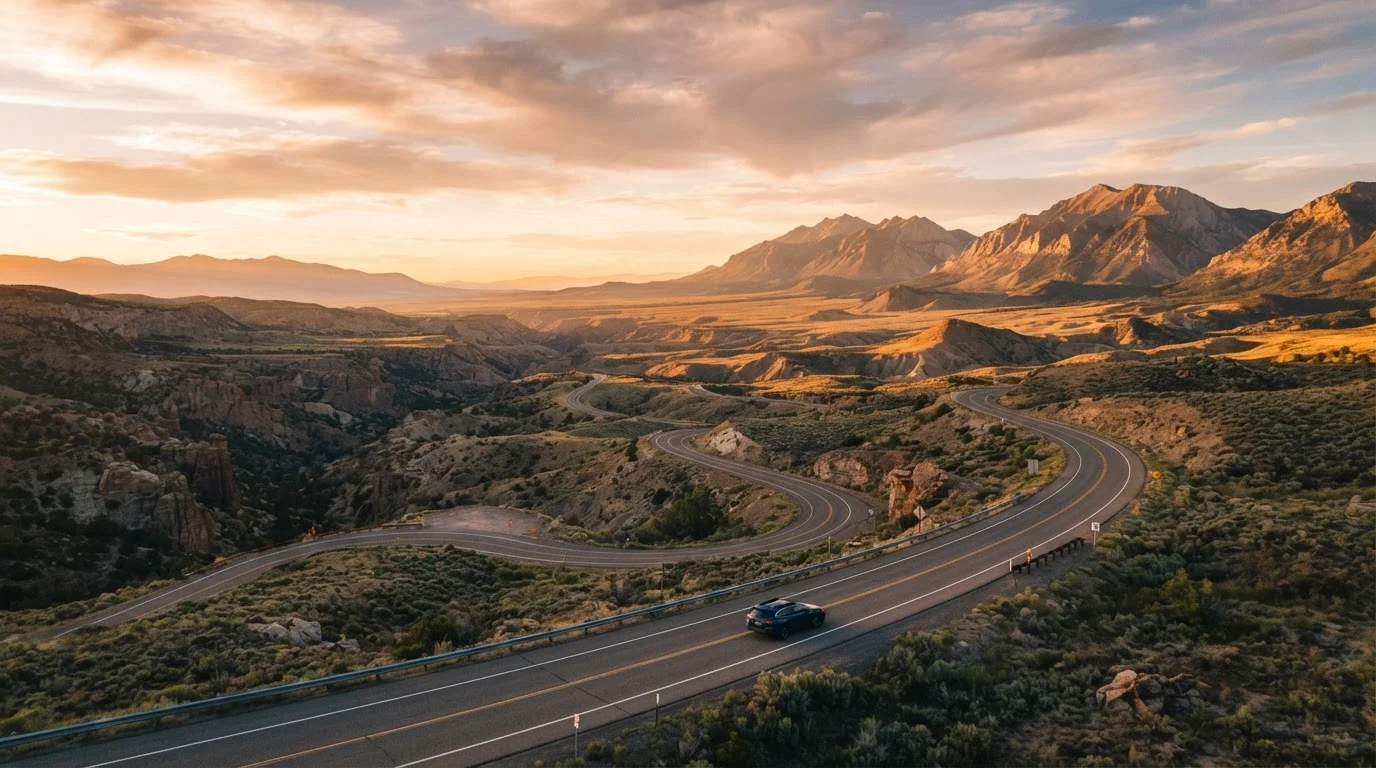
Choosing Your Destination
The single biggest planning mistake travelers make is picking a destination based on a viral photo rather than personal fit. Before browsing flights or hotels, spend ten minutes answering three questions: What kind of experience do you actually want - outdoor adventure, city exploration, beach relaxation, or cultural immersion? How much time do you realistically have? And what are you comfortable spending?
Those answers will narrow a continent's worth of options into a manageable shortlist. Coastal regions suit beach lovers and seafood enthusiasts; the Mountain West offers hiking, skiing, and wide-open scenery; the South delivers history, cuisine, and warm hospitality. If this is your first time planning independently, the first-timer's trip planning guide walks through this prioritization process in a beginner-friendly order. For solo travelers, traveling solo in America offers destination-specific guidance on safety and lodging fit.
Cross-reference your shortlisted destinations against their shoulder season dates - visiting just before or after peak season often means similar conditions with noticeably thinner crowds and more lodging availability.
Peak season at popular U.S. destinations can mean booked-out accommodations and crowded attractions that significantly diminish the experience travelers were seeking.
When evaluating a destination, look up its public transit options before assuming you'll need a rental car - many mid-size U.S. cities have solid bus and rail networks that make car-free travel both practical and less stressful.
Rental cars add cost through fuel, parking, and insurance, and navigating unfamiliar urban driving adds stress. Transit-friendly destinations allow travelers to redirect that energy toward the experience itself.
Building Your Itinerary
Once you have a destination, resist the temptation to schedule every hour. Experienced travelers know that over-programming a trip is the fastest route to exhaustion. A workable rule of thumb: plan one or two anchor activities per day and leave the rest open. Anchors are the non-negotiables - a national park visit, a dinner reservation, a museum tour. Everything else fills in naturally once you're on the ground.
Group activities geographically to minimize transit time. If you're spending three days in a city, organize sightseeing by neighborhood so you're not crisscrossing the map. For multi-city road trips, map your route before booking anything to ensure the daily driving distances are genuinely comfortable - not just optimistic on paper.
Itinerary Depth Varies by Traveler Type
Some travelers thrive with a detailed hour-by-hour plan; others prefer a loose list of possibilities. Neither approach is wrong - what matters is building an itinerary that matches your own comfort level with ambiguity. If rigid schedules cause anxiety when things shift, build in more slack. If open days make you feel unmoored, add more structure.
Booking Logistics: Lodging and Transportation
Book lodging and transportation in tandem, not sequentially. Locking in a hotel before confirming how you'll get there - or vice versa - often creates logistical gaps that are expensive to fix later.
For lodging, match your accommodation type to your itinerary style. A centrally located hotel or guesthouse suits city trips where walkability matters. Vacation rentals work better for longer stays or group travel where kitchen access and living space add real value. Explore the full range of options through the Destinations & Stays hub.
For transportation within the U.S., the right mode depends on distance and flexibility needs. Flights save time on long hauls but add airport friction. Trains offer scenic travel with minimal hassle for mid-range distances. Car rentals give maximum flexibility for rural destinations or multi-stop road trips but require factoring in fuel, parking, and tolls.
57%
Travelers who book lodging before transportation
Industry surveys consistently show a majority of leisure travelers lock in accommodation first, often creating avoidable mismatches with flight or train schedules.
2-3 weeks
Recommended advance booking window for domestic trips
Travel booking platforms generally report that booking domestic lodging two to three weeks ahead balances availability with reasonable rates for most U.S. destinations.
Packing Smart for Any U.S. Trip
Packing is where most travelers either over-prepare or under-prepare - both have costs. The goal is a bag you can move through an airport comfortably, access a day pack from, and repack quickly if plans shift.
Start with your destination's climate range during your travel window, not just the average. Mountain destinations can swing 40°F between morning and afternoon. Coastal summers are often more humid than travelers from drier regions expect. Layer-friendly clothing - a mix of base layers, a mid-layer, and a packable outer shell - handles most U.S. conditions without overpacking.
Footwear is the most under-considered category. Bring shoes suited to your most demanding planned activity, plus one versatile everyday option. Two pairs handle nearly any trip; three pairs cover edge cases. Documents, medications, and electronics should always travel in carry-on luggage regardless of trip length.
Managing Budget Without Sacrificing Experience
Travel budgets tend to blow out in two places: food and unplanned expenses. A realistic budget accounts for both with intention rather than hope. Before departing, estimate your daily spend across four categories - lodging, transportation, food, and activities - then add a 15-20% buffer for the unexpected.
Food costs vary dramatically by destination and dining style. Grocery runs for breakfast and lunch, combined with one sit-down dinner, keep daily food costs reasonable without sacrificing local flavor. For destination-specific strategies, the complete picture of budget travel in the U.S. is a thorough resource covering lodging, transportation, and dining trade-offs. Additional strategies are organized in the Travel on a Budget hub.
Don't Forget Hidden Trip Costs
Resort fees, parking charges, checked baggage fees, and attraction entry costs are routinely left out of initial trip budgets and can add hundreds of dollars to a trip's total cost. Research these before you go, not after you arrive. Many national parks, for example, charge per-vehicle entry fees that aren't included in online trip cost estimates.
When Plans Change: Staying Flexible
Even a meticulously planned trip will encounter something unexpected - a weather system, a closed attraction, a delayed flight, or simply a town you want to linger in longer than scheduled. The travelers who enjoy these moments rather than resent them share one habit: they treated their itinerary as a framework, not a contract.
Practically speaking, that means booking refundable or flexible-rate lodging when the price difference is modest, keeping one unscheduled day per four to five travel days as a buffer, and carrying enough financial cushion to absorb a last-minute accommodation change or extra night on the road.
Travel insurance is worth understanding for trips with significant non-refundable bookings. Policies vary widely in what they cover, so read terms carefully and verify what conditions qualify for reimbursement before purchasing - general educational information about travel insurance is widely available through consumer financial resources.
Above all, stay curious. The best travel stories rarely come from things that went exactly as planned.
The content on this site is for informational purposes only and is not a substitute for professional advice. Always consult a qualified professional for guidance specific to your situation.