

Start here
Why National Parks Deserve a Spot on Your Travel List
Next
Understanding Entry Fees, Passes, and Permits
Then
Timing Your Visit: Seasons and Crowds
Plan your stay
Lodging Inside and Around the Parks
Before you go
On-the-Ground Essentials for First-Timers
Why National Parks Deserve a Spot on Your Travel List
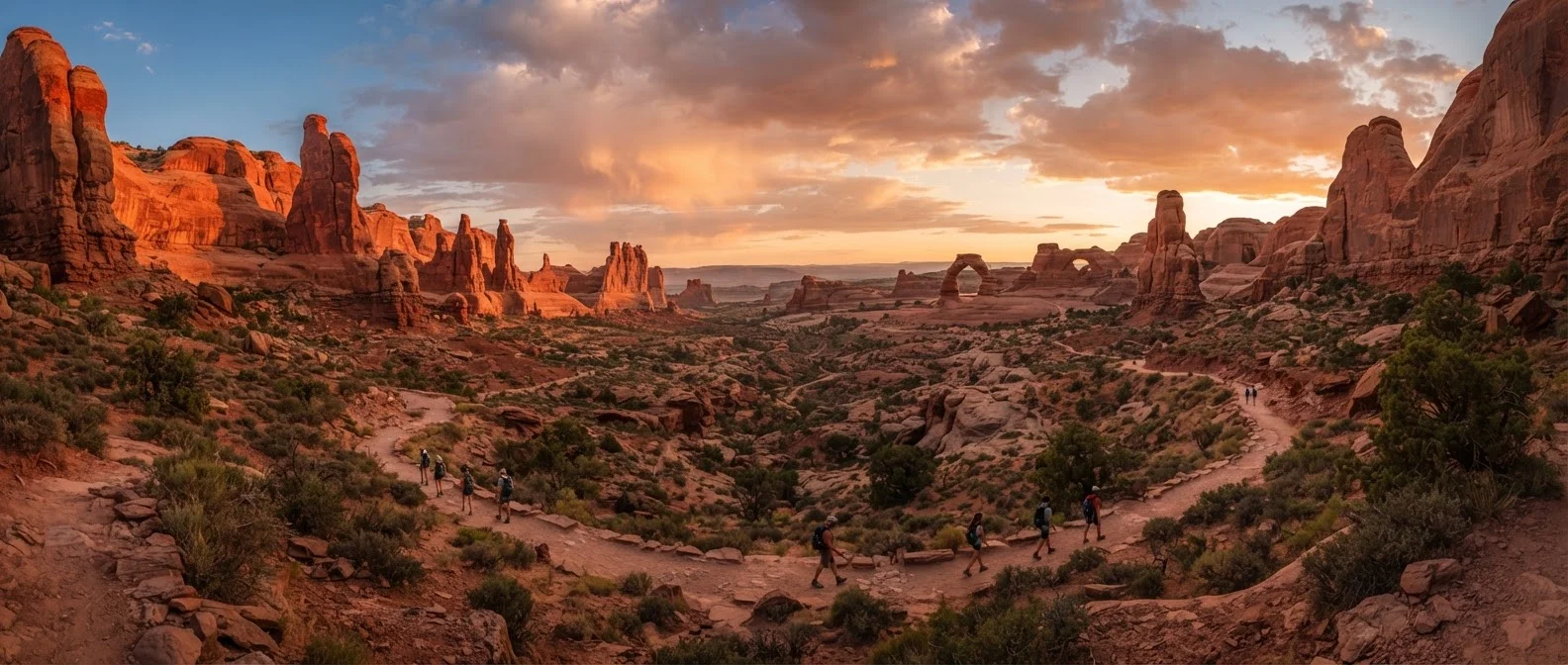
The United States is home to more than 400 national park units - from the geysers of Yellowstone to the otherworldly arches of Utah and the old-growth rainforests of the Olympic Peninsula. For first-time visitors, the sheer variety can feel overwhelming. But that's also exactly the appeal: no matter what kind of landscape moves you, there's a park that delivers it.
National parks are publicly managed lands set aside to protect natural, cultural, and historic resources. They're accessible to everyone, and many offer experiences that simply can't be replicated elsewhere in the country. If you're new to trip planning and wondering where to begin, this beginner's guide to trip planning can help you organize the big picture before diving into park-specific logistics.
Timed-entry permit
A reservation system used by certain national parks that limits the number of visitors entering during a specific time window. Without one, you may be turned away at the gate during busy periods.
America the Beautiful pass
An annual pass sold by the federal government that grants access to national parks and other federal recreation lands for 12 months. One pass covers all occupants of a single private vehicle at most sites.
Gateway town
A community located just outside a national park boundary that offers lodging, dining, gas, and supplies. Gateway towns are often more affordable and accessible than in-park accommodations.
Leave No Trace
A set of outdoor ethics principles that guide visitors to minimize their impact on natural environments - covering waste disposal, wildlife interaction, trail behavior, and more.
Shoulder season
The periods just before and after a destination's peak tourist season. In national parks, this typically means spring and fall - offering fewer crowds and often lower lodging costs.
Understanding Entry Fees, Passes, and Permits
Not all national parks charge an entrance fee, but many of the most visited ones do. Fees vary by park and entry method (vehicle, motorcycle, or on foot). The America the Beautiful annual pass - a federal interagency pass - covers entrance to most fee-charging parks for 12 months from the date of purchase. For travelers planning multiple park visits in a year, it's generally an efficient choice financially.
Beyond entrance fees, a growing number of parks have introduced timed-entry permit systems that require visitors to reserve a specific arrival window - often weeks or months in advance. These are separate from entrance fees. Parks including Yosemite, Zion, Glacier, and Rocky Mountain have used reservation systems during peak seasons. Check nps.gov for the current year's policy for any park you plan to visit.
Permits Sell Out - Plan Months Ahead
At top-tier parks like Yosemite, Zion, and Rocky Mountain, timed-entry reservations and campground bookings can sell out within minutes of opening. Reservation windows on recreation.gov often open months in advance on a rolling basis. Showing up without a required permit may result in being turned away, even after a long drive.
For a comprehensive breakdown of how national park fees compare to state parks and free federal lands, see this guide to public lands access and fees. For detailed permit lookup by park, the national park permit and reservation reference is an essential companion.
Timing Your Visit: Seasons and Crowds
Peak summer months - roughly late June through August - bring the highest visitor counts to almost every major park. Parking lots fill before 8 a.m., shuttle queues stretch long, and campgrounds are booked solid. That's not a reason to avoid summer, but it is a reason to prepare differently than you might for a typical road trip.
Shoulder seasons (April-May and September-October) offer a meaningful trade-off: thinner crowds, more campsite availability, and often more dramatic light and color. Spring wildflowers in the desert parks and fall foliage in the Smoky Mountains are genuine draws that peak-season visitors sometimes miss entirely. Winter access varies widely - some parks are stunning and quiet, others are partially or fully closed.
Weather changes rapidly in high-elevation and canyon parks regardless of season. Afternoon thunderstorms are routine in summer at parks like Grand Canyon and Rocky Mountain. Always check the park's current conditions page before hiking.
Lodging Inside and Around the Parks
Staying inside a national park - at a park lodge, cabin, or campground - puts you closer to trails and sunrise views. The trade-off: in-park lodging books out months in advance at popular destinations, and options are often limited. Campgrounds range from developed sites with flush toilets and electrical hookups to backcountry spots accessible only on foot.
If in-park accommodation isn't available, gateway towns are your practical alternative. These communities directly outside park boundaries typically offer a wider range of hotels, motels, vacation rentals, and dining options - often at more flexible availability. Distances from gateway towns to park entrances vary; factor drive time into your daily plans.
For a full pre-trip lodging and logistics checklist, this pre-trip planning checklist walks through what to confirm before you finalize any booking. If you're traveling solo, this solo travel guide has tailored lodging and safety considerations worth reviewing.
Park Rules Vary Significantly
Each of the 400-plus units in the National Park System operates under its own specific rules for pets, drones, campfires, off-trail hiking, and wildlife interaction. Always read the regulations page on your specific park's nps.gov site before you arrive - what's allowed in one park may be prohibited in another.
On-the-Ground Essentials for First-Timers
Arriving prepared makes the difference between a frustrating first park visit and a memorable one. A few non-negotiables:
- Water: Carry more than you expect to need. Dehydration risk is real, particularly in desert and high-altitude parks.
- Navigation: Download offline maps before leaving cell range. Don't rely solely on live GPS.
- Leave No Trace: Pack out all trash, stay on marked trails, keep distance from wildlife, and follow posted fire and camping rules.
- Reservations and permits: Carry printed or downloaded copies - connectivity at entry stations can be spotty.
Download Everything Before You Go
Before leaving for a national park, download your park's offline map, trail guide PDFs from nps.gov, and any required permit confirmation to your phone. Save the local ranger station number and your campsite reservation details in a notes app. Connectivity inside most parks is too unreliable to rely on in the moment.
Rangers are one of the most underutilized resources in any park. Visitor centers offer free maps, current trail condition updates, and safety guidance specific to the day's conditions. Stop in on arrival - it takes 10 minutes and consistently pays off. For broader trip planning across the parks system, explore our trip planning hub for destination guides and practical tools.
Frequently Asked Questions
It depends on the park and the season. Many of the most visited parks - like Yosemite and Zion - require timed-entry permits or vehicle reservations during peak periods. Check the specific park's page on nps.gov well in advance, as reservations often open months ahead and sell out quickly.
The America the Beautiful pass is an annual federal lands pass that covers entrance fees at national parks, national forests, wildlife refuges, and other federal recreation sites for one year. If you plan to visit two or more fee-charging parks in a year, it typically pays for itself. It's available at park entrances and through recreation.gov.
Shoulder seasons - generally April through May and September through October - tend to offer a strong balance of pleasant weather and manageable crowds at most parks. Peak summer months bring the largest visitor volumes and the highest demand for camping and lodging reservations.
Some campgrounds operate on a first-come, first-served basis, but at popular parks these sites fill by early morning - sometimes before sunrise. Most campgrounds at high-demand parks require advance reservations through recreation.gov. Researching your specific park's camping policy is essential before you go.
Regardless of trail difficulty, carry more water than you think you'll need, a trail map (downloaded offline), sun protection, snacks, and a basic first-aid kit. Wear sturdy footwear and dress in layers. Let someone know your planned route and expected return time.
Cell coverage is unreliable or nonexistent across most park interiors. Download offline maps (apps like AllTrails and Google Maps support this), save ranger station contact info, and don't rely on your phone for navigation or emergency communication alone. Many parks have satellite emergency devices available for rent.
The content on this site is for informational purposes only and is not a substitute for professional advice. Always consult a qualified professional for guidance specific to your situation.