

Why Grout Keeps Failing-The Real Story
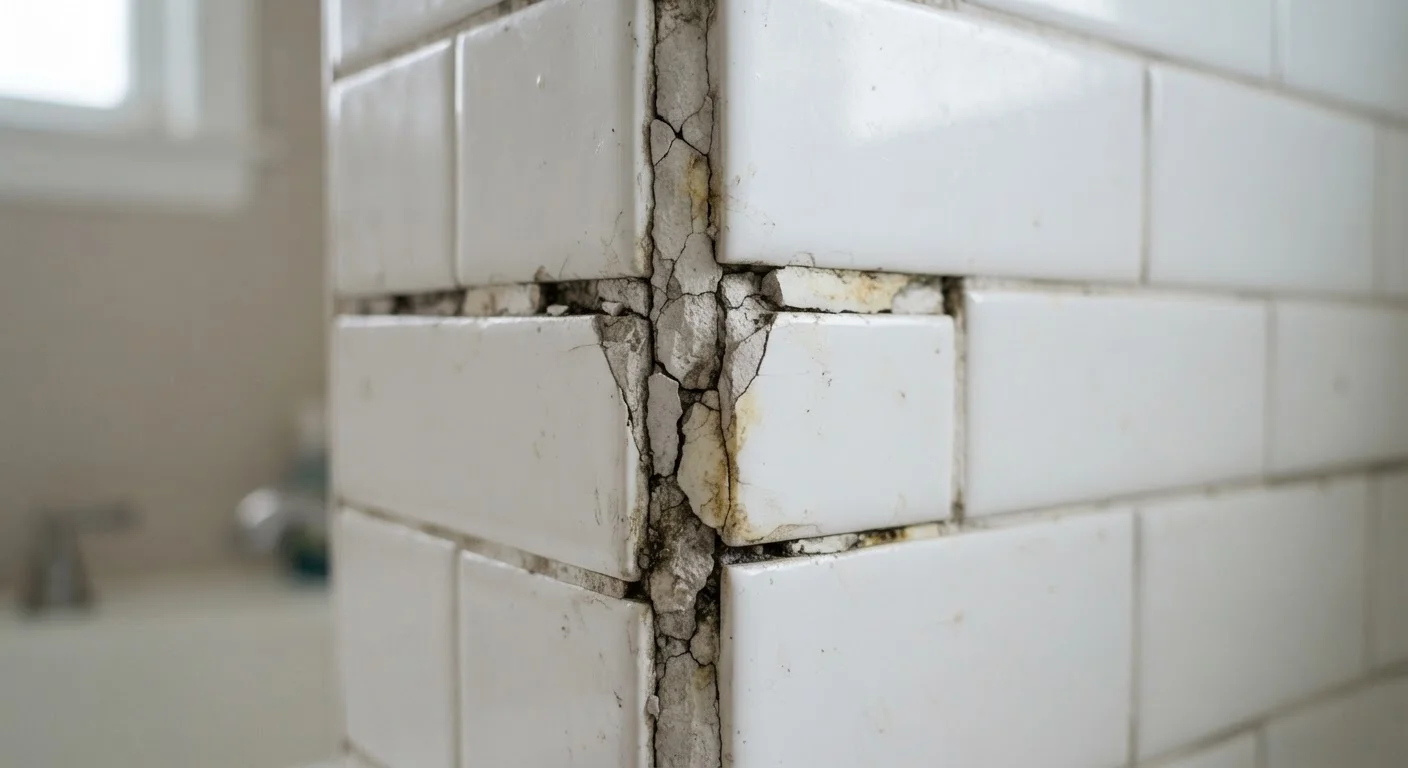
Most homeowners assume cracked grout is just a wear-and-tear problem - something to patch and move on from. In reality, grout that keeps cracking in the same spots is telling you something important about what's happening beneath the surface. Grout is a rigid material with very little flexibility, which means it has almost no tolerance for movement. When the structure around it shifts, even slightly, grout is typically the first thing to give way.
Understanding why the cracks keep coming back is the only way to stop the cycle. Below are the most common mistakes that lead to chronic grout failure - and what you can do about each one.
Laying tile over a substrate that flexes or moves under load.
Why it happens: Homeowners often tile directly over an existing wood subfloor or a thin concrete board without verifying that the assembly is rigid enough. Wood naturally expands, contracts, and deflects - and grout can't accommodate that movement.
Skipping or misplacing expansion joints in large tile installations.
Why it happens: Expansion joints - the soft, caulked gaps that allow a tile field to breathe with temperature and humidity changes - are often omitted entirely on DIY jobs, or only placed at walls rather than within the field itself.
Using unsanded grout in wide joints or sanded grout in narrow ones.
Why it happens: Grout selection is often made based on color rather than joint width. Unsanded grout shrinks as it cures and is only appropriate for joints under about 1/8 inch. Using it in wider joints almost guarantees cracking.
Mixing grout with too much water.
Why it happens: A wetter mix is easier to spread and work with, so it's a common shortcut - especially for first-time tile setters. But excess water weakens the grout's structural integrity and causes it to shrink and crack as it cures.
Grouting before the tile adhesive has fully cured.
Why it happens: Impatience is a factor, but so is unfamiliarity with cure times. Tile mortar or adhesive that hasn't fully set is still releasing moisture and may allow slight tile movement - both of which stress grout before it can harden properly.
When to Call a Professional
Some grout problems are straightforward DIY fixes - you identify the cause, address it, and re-grout with confidence. But other situations warrant a closer look from a licensed contractor or tile installer before you invest time and money in repairs.
Soft or Hollow Tiles Are a Red Flag
If tiles near the cracked grout feel hollow when tapped, or if any tiles shift slightly underfoot, the bond between the tile and substrate has likely failed. Re-grouting over debonded tiles will not hold. The affected tiles typically need to be removed and reset before any grout repair will last.
If grout is cracking across large sections of floor tile, especially if tiles themselves are cracking or popping loose, that can indicate a more serious subfloor or foundation issue. Widespread cracking in shower or wet-area grout combined with soft or springy tiles nearby may point to water damage already occurring underneath. These aren't situations where patching grout will help - they require assessing and repairing the underlying structure first. For context on the broader warning signs of structural problems in your home, see our guide to common structural problems.
When in doubt, a professional tile assessment is a relatively low-cost step that can save you from repeating an expensive repair that won't hold.
The content on this site is for informational purposes only and is not a substitute for professional advice. Always consult a qualified professional for guidance specific to your situation.