

Movement doesn't have to be high-impact to be effective
Joint pain - whether from arthritis, old injuries, or general wear and tear - is one of the most common reasons people step back from physical activity. But rest alone isn't always the answer. For many people, thoughtfully chosen movement can actually support joint health, help maintain muscle strength, and improve overall wellbeing. The key is selecting activities that work with your body rather than against it.
Low-impact exercise is generally defined as movement that keeps at least one foot on the ground at all times (in the case of walking) or removes ground-impact forces altogether (as with swimming). These activities tend to place less mechanical stress on joints while still delivering meaningful fitness benefits. Research on sedentary behavior makes a strong case for staying active - even in gentler ways - rather than defaulting to inactivity when movement feels difficult.
A note on joint conditions and exercise
The movement options described here are general informational guidance, not medical advice. Joint pain can have many underlying causes - from osteoarthritis to injury to inflammatory conditions - and what works well for one person may not be appropriate for another. Before beginning or significantly changing an exercise routine, it's important to speak with a qualified healthcare provider who understands your specific situation.
Six low-impact options worth considering
Swimming and water aerobics
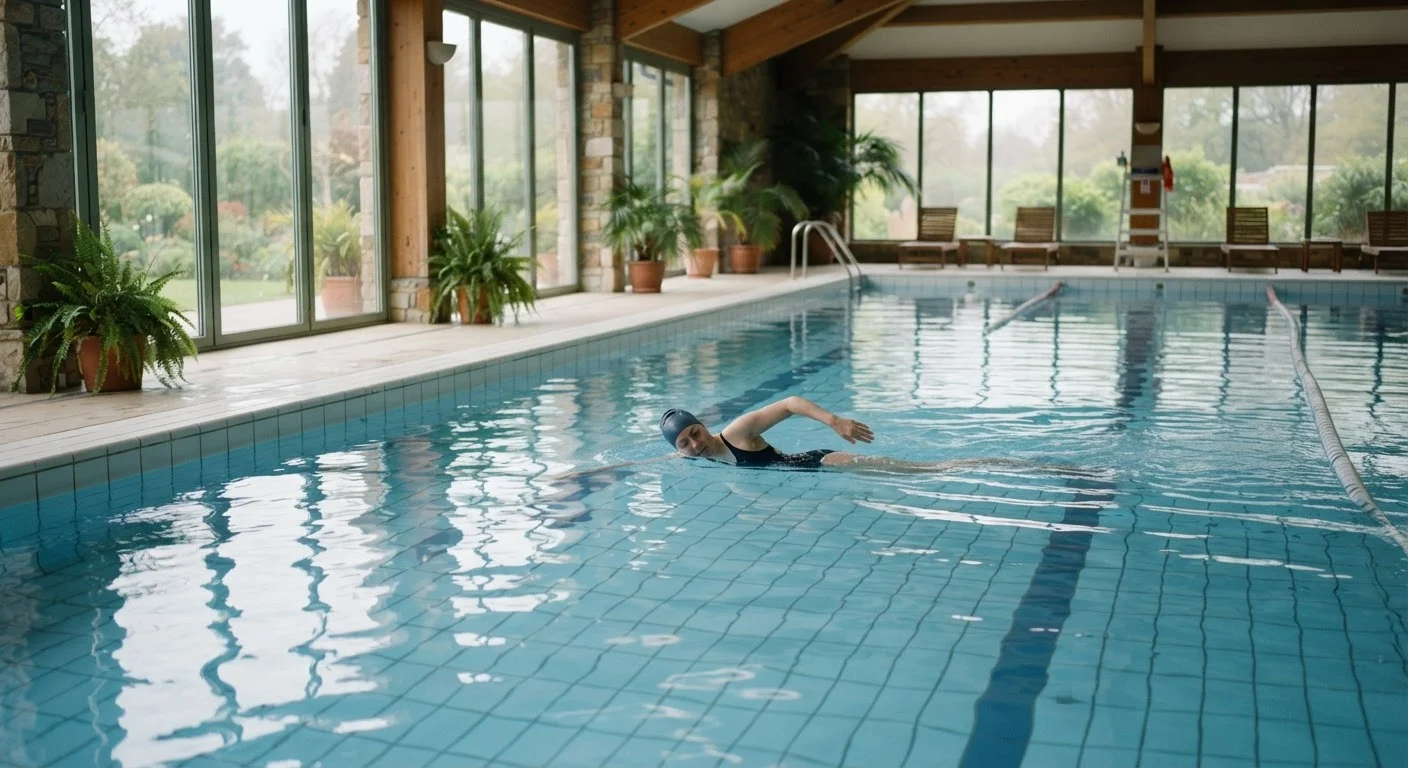
Water is one of the most forgiving environments for movement. Buoyancy supports a significant portion of body weight, dramatically reducing the load placed on hips, knees, and ankles. Swimming laps, water walking, or joining a water aerobics class can all provide meaningful cardiovascular and muscle-conditioning benefits while keeping joint stress to a minimum.
Because resistance in water is proportional to effort - push harder and the water pushes back harder - it's also inherently self-regulating. Most community recreation centers and YMCAs offer pool access and structured aquatic fitness classes suitable for beginners.
Buoyancy supports body weight, making water one of the most joint-friendly exercise environments available.
Cycling (stationary or outdoor)
Cycling distributes effort across large muscle groups while keeping impact forces low. A stationary bike offers added stability and control, making it a solid starting point for anyone new to low-impact exercise. Outdoor cycling on flat terrain is another option, provided safety considerations like balance and traffic are accounted for.
Seat height and handlebar positioning matter: a properly fitted bike reduces unnecessary strain on knees and the lower back. Many fitness centers have staff who can help with basic adjustments, and even small changes can make a significant comfort difference.
A properly fitted bike can meaningfully reduce knee and lower-back strain during cycling.
Walking on forgiving surfaces
Walking remains one of the most accessible and well-researched forms of movement available. While it isn't entirely impact-free, it exerts considerably less force on joints than running or jumping. Choosing softer surfaces - grass, packed dirt trails, or rubberized tracks - can reduce that impact further compared to concrete or asphalt.
Supportive footwear also plays an important role in comfort and joint protection. Start with shorter, manageable distances and build gradually over time. For a deeper look at why this simple activity deserves more credit, see why walking is still one of the most underrated forms of exercise.
Softer surfaces and supportive footwear can make walking noticeably more comfortable for people with joint sensitivity.
Tai chi
Tai chi is a slow, flowing movement practice rooted in Chinese tradition that emphasizes balance, coordination, and controlled breathing. Its gentle, weight-shifting movements make it particularly suitable for people with joint concerns, and research has examined it in the context of conditions like osteoarthritis with generally encouraging findings - though individual results vary.
Because tai chi also engages mental focus and awareness of body position, it supports what health professionals sometimes describe as proprioception - the body's sense of where its parts are in space. This has implications for balance and fall prevention, particularly for older adults.
Tai chi's slow, deliberate movements may support both joint comfort and balance over time.
Yoga and gentle stretching
Yoga encompasses a wide spectrum of styles, from vigorous to deeply restorative. For people with joint discomfort, gentle or chair-based yoga classes focus on range of motion, flexibility, and body awareness without high impact or extreme load. Props like blocks, straps, and bolsters allow poses to be modified to individual comfort levels.
Understanding how mobility and flexibility interact - they're related but distinct concepts - can help you choose the right practices. Mobility vs. flexibility is worth exploring if you want to train more purposefully and reduce the risk of overdoing it.
Chair-based yoga and modified poses make this practice genuinely accessible regardless of current joint limitations.
Resistance training with light loads
Strengthening the muscles around a joint can help provide better support and stability, which may reduce discomfort during everyday movement. Light resistance work - using resistance bands, light dumbbells, or even bodyweight - can be done at a pace and range of motion that feels manageable.
Controlled movement and full repetitions matter more than heavy weight. Starting conservatively and progressing gradually is especially important. If you're returning to exercise after a period of inactivity, getting back into exercise after a long break offers a practical and encouraging starting framework.
Strengthening muscles around a joint can improve stability and may ease the burden on the joint itself.
Build a routine you can sustain
Low-impact movement is most beneficial when done consistently over time. Rather than aiming for long sessions right away, focus on shorter, regular bouts of activity that fit your schedule and feel manageable. Once movement becomes a habit, duration and variety can expand naturally. For practical guidance on structuring your week, consider building a weekly movement routine you'll actually stick to.
Finding a starting point that works for you
No single activity suits everyone, and the most effective low-impact routine is one you'll actually maintain. Consider starting with just one or two options from this list - whichever feels most accessible given your current comfort level and circumstances. Gradual, consistent effort tends to produce more sustainable results than ambitious programs that are hard to keep up with.
It's also worth remembering that low-impact doesn't mean low-benefit. Many people find that activities like swimming, cycling, or tai chi become genuinely enjoyable over time - not just tolerable. That shift from obligation to habit is often where lasting change begins.
This article is for general informational purposes only and is not a substitute for professional medical advice, diagnosis, or treatment. Always consult a qualified healthcare provider before beginning a new exercise program, especially if you have an existing joint condition or chronic health concern.
The content on this site is for informational purposes only and is not a substitute for professional advice. Always consult a qualified professional for guidance specific to your situation.