

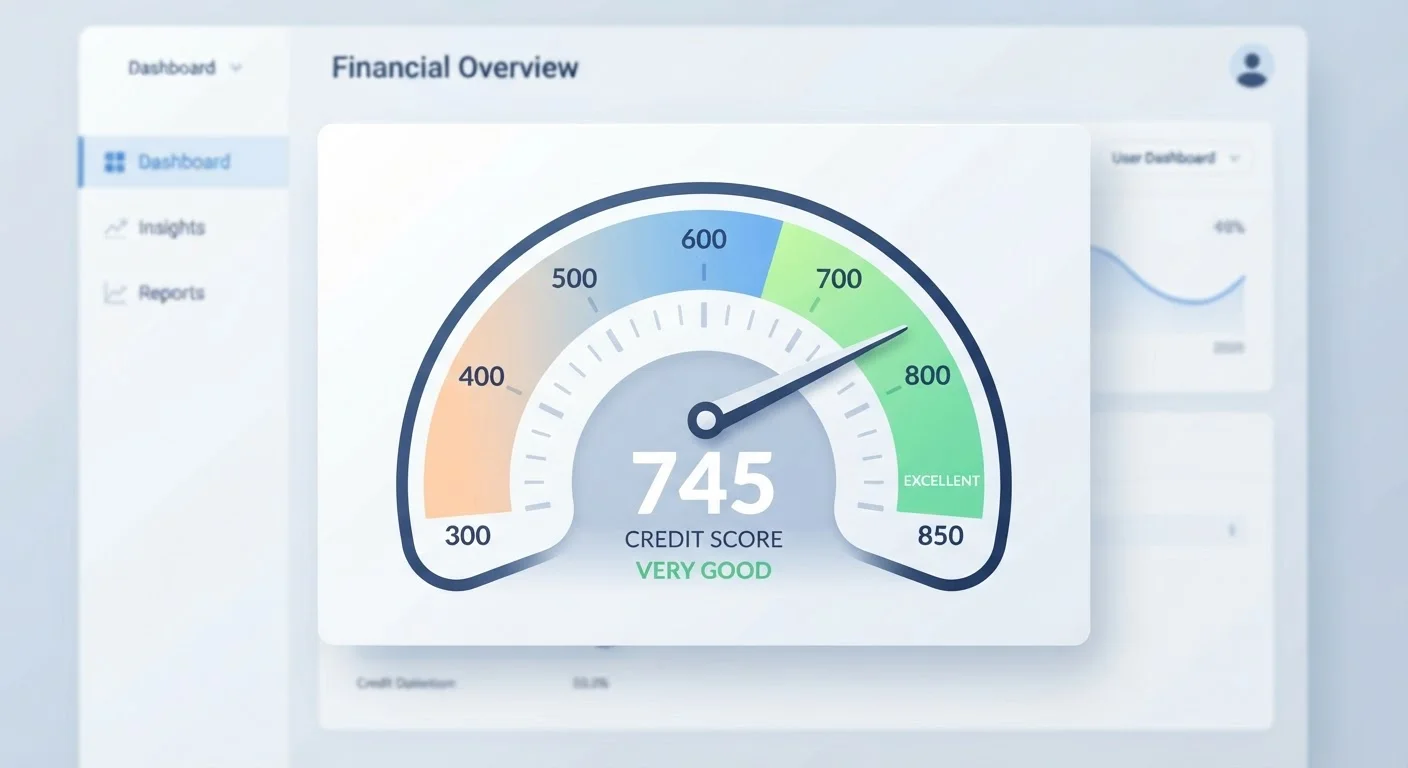
The Five Factors Behind the Number
A credit score isn't generated by guesswork - it's calculated from five distinct categories of information pulled from your credit report. Each carries a specific weight in the FICO model, the most widely referenced scoring system in the U.S.
- Payment history (35%): The single largest factor. It reflects whether you've paid your bills on time. A single missed payment - especially one that goes 30 or more days past due - can noticeably lower your score.
- Credit utilization (30%): This is the percentage of your available revolving credit that you're currently using. If your total credit card limit is $10,000 and your balance is $3,000, your utilization is 30%. Lower is generally better. Understanding how utilization works changes how you think about every swipe of a credit card.
- Length of credit history (15%): Longer histories provide more data. This includes how long your oldest account has been open, your newest account, and the average age of all accounts.
- Credit mix (10%): Having experience with different types of credit - revolving accounts like credit cards and installment loans like auto or student loans - can be a modest positive signal.
- New credit (10%): Opening several new accounts in a short period can indicate financial stress. Each hard inquiry from a lender application can temporarily lower your score by a few points.
35%
Weight of payment history in FICO score
According to FICO's published scoring model breakdown, payment history is the single largest factor in determining a consumer's credit score.
716
Average U.S. FICO Score
FICO has reported the average U.S. FICO Score at approximately 716, placing the typical American consumer in the 'good' range by standard tier definitions.
3
Major credit bureaus in the U.S.
Equifax, Experian, and TransUnion each maintain independent credit files, which is why a consumer's score may differ slightly across bureaus.
Why Payment History Dominates
The outsized weight given to payment history reflects what lenders care about most: the likelihood you'll repay what you borrow. A pattern of on-time payments is the clearest historical signal of that reliability.
Negative marks don't all carry equal weight. A payment that's 90 days late is more damaging than one that's 30 days late. Collections, charge-offs, and bankruptcies - where a lender writes off a debt or a court discharges it - are among the most serious derogatory marks and can remain on your report for seven to ten years depending on the type.
The practical upshot: consistent on-time payments, even on small accounts, compound into a strong foundation over time. Missing payments, even occasionally, can undermine years of positive history.
“The most important thing you can do for your credit is simply pay your bills on time - every time. It sounds basic because it is, and that's precisely why it matters so much.”
— Consumer Financial Protection Bureau, U.S. federal agency for consumer financial protection
Where the Data Comes From
Your credit score is calculated using the data held in your credit reports - documents maintained by the three major credit bureaus: Equifax, Experian, and TransUnion. Creditors report your account activity (balances, payment history, account status) to these bureaus, typically on a monthly basis.
Because each bureau may receive slightly different data, your score can vary between bureaus. That's normal and expected. It's also why a lender may pull from one or all three depending on the type of credit you're applying for.
You're entitled to a free copy of your credit report from each bureau annually through AnnualCreditReport.com - the federally authorized source. Reviewing your reports periodically lets you catch errors, which do happen and can suppress your score unfairly. If you spot an inaccuracy, each bureau has a dispute process you can use to request a correction.
Review Your Credit Reports Regularly
Errors on credit reports are more common than many consumers realize - a misreported late payment or an account that doesn't belong to you can drag your score down unfairly. Pull your reports from AnnualCreditReport.com and scan each one for accounts you don't recognize, incorrect balances, or payments marked late that you made on time. Disputing errors directly with the reporting bureau is your right under the Fair Credit Reporting Act.
What Your Score Actually Unlocks
Your credit score matters beyond loan approvals. It shapes the interest rate you're offered - which directly affects how much you pay over the life of a mortgage, car loan, or personal loan. It can factor into rental applications, utility deposit requirements, and in some states, certain employment background checks.
For example, your score influences auto loan terms in ways that can add up to thousands of dollars across the loan term. Similarly, auto insurance pricing in many states is partly informed by credit-based insurance scores - a related but distinct calculation.
Understanding the mechanics of your score doesn't just satisfy curiosity - it puts you in a position to make deliberate decisions about the credit behaviors that move the number in your favor. No single action is a guaranteed fix, but the framework is consistent and knowable, which is a genuine advantage.
This article is for general informational purposes only and does not constitute financial or legal advice. Consult a licensed financial professional for guidance specific to your situation.
Frequently Asked Questions
FICO scores generally fall into tiers: 300-579 (poor), 580-669 (fair), 670-739 (good), 740-799 (very good), and 800-850 (exceptional). Lenders set their own thresholds, so what qualifies as 'good enough' depends on the type of credit and the specific lender's criteria.
Credit scores can update whenever new information is reported to the bureaus, which typically happens monthly as creditors submit updated account data. Major changes - like a missed payment or a new account - can shift your score relatively quickly.
No. When you check your own score, it's recorded as a 'soft inquiry' and has no effect on your score. Only 'hard inquiries' - initiated by lenders when you apply for credit - can cause a small, temporary decrease. For more on this, see <a href="/finance/credit-and-banking/the-truth-behind-common-credit-score-myths">common credit score myths</a>.
Credit scores do not factor in your income, employment status, savings, net worth, age, race, gender, marital status, or where you live. They're based solely on credit-related behavior reported by creditors to the bureaus.
Your score influences the interest rate a lender offers you on an auto loan - a lower score often means a higher rate, which translates to more paid over the life of the loan. Learn more in our article on <a href="/autos-vehicles/buying-a-car/why-your-credit-score-shapes-the-cost-of-your-car">how your credit score shapes the cost of your car</a>.
Yes. Common starting points include becoming an authorized user on someone else's account, opening a secured credit card, or taking out a credit-builder loan through a credit union or community bank. Consistent, on-time payments on any open account will begin establishing a positive history.
The content on this site is for informational purposes only and is not a substitute for professional advice. Always consult a qualified professional for guidance specific to your situation.